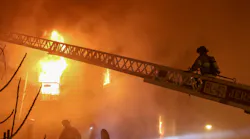
As Firehouse Sees It: A View from the Outfield
Criticism of the work we do is never easy to accept, and it’s even more difficult to accept when it’s shared or expressed by those outside the fire service.
The Kansas City Star recently published a three-part investigative report on firefighter fatalities and preventable mistakes titled “Fatal Echoes.” The report followed several months of investigations by two staff reporters who conducted interviews with recognized members of the fire service; traveled to Texas, Georgia, New York, Maryland and Washington, D.C., to speak with firefighters and survivors; and visited the National Fallen Firefighters Memorial in an attempt to examine how and why U.S. firefighters die on the job. This was all as a follow-up to the loss of Kansas City, MO, Firefighters John Mesh and Larry Leggio in October 2015.
The investigation revealed widespread problems within the America fire service. Some of the findings: the lack of national training requirements, complacency within some departments, little regulatory oversight, budget constraints that leave fire departments shorthanded, and poor judgment on the fireground. Of the all the findings, the one that topped the list was the fact that, despite countless investigative reports, fire departments around the country have failed to learn from others’ mistakes.
After reading the report and reflecting on the comments shared by those interviewed during the investigative process, a natural instinct of any firefighter or fire officer might be a defensive one, with immediate push back. Unfortunately, the facts that fill the pages of this report are not new, nor are they based on fictitious statements of the uninformed.
By publishing this report, one might say that The Kansas City Star cast a shadow of shame on the American fire service. Others might say that they brought much-needed attention to a longstanding issue that has been brushed aside for far too long. Regardless of your position, we can’t deny the fact that the rate of on-duty line-of-duty deaths AND injuries is nearly as high as it was 40 years ago. Further, we can’t deny the fact that many of these fatal or injury-causing events are the direct result of deficiencies or mistakes that have been clearly identified, published and shared over and over again.
As leaders of the fire service, I challenge you to review this report in honor of and on behalf of the firefighters who we’ve lost over the last 20 years. In doing so, ask yourself, have you and the members or your department applied the lessons shared from the report? Have you implemented the policies/procedures and necessary training to prevent similar incidents from occurring within your organization or amongst your members? Have you taken the necessary steps to hold yourself and your members accountable for their actions—or inactions—as it pertains to the recommendations and best practices?
A colleague of mine is well known for sharing “views from the outfield” when myself or other members of our team lose sight of the big picture. The reporters who compiled this report have not walked a day in the boots of a firefighter, they haven’t crawled down any smoke-filled hallways or been the bearer of responsibility of commanding a chaotic scene, but this should not lessen the importance of their findings. In fact, I would suggest that it’s important for all of us, regardless of rank or position, to step back and consider these “views from the outfield” and the benefits they might provide in helping us improve our performance and better prepare ourselves for the hazards we might face.
Let us never forget that as public servants, we serve for the betterment of others, not for our own gratification. The services we provide, the tactics we deploy and the methodologies in which we apply them must always be focused on providing the best possible service to our customers. When our tactics are not in line with published best practices, our training fails to comply with minimum standards and our acceptance of risk is grossly unbalanced, we must ask ourselves, why?
If it is true that no firefighters memory should ever be forgotten, then isn’t it time that we finally begin to hear the echoes of the lessons they’ve shared?
About the Author
 Timothy E. Sendelbach
Editor-in-Chief
Timothy E. Sendelbach is a 30-year student and educator of the fire and emergency services, and former editor-in-chief for Firehouse. He has served as an assistant fire chief with the North Las Vegas, NV, Fire Department, as the chief of training for Savannah (GA) Fire & Emergency Services and as assistant fire chief for Missouri City, TX, Fire & Rescue Services. He is a credentialed Chief Fire Officer and Chief Training Officer and has earned a master’s degree in leadership from Bellevue University, bachelor’s degrees in fire administration and arson and an associate’s degree in emergency medical care from Eastern Kentucky University.