During my 40-plus years in the fire service, I have served in four fire departments and worked with and for many company officers. Every one of those officers was unique, and most of them were excellent, hardworking and effective bosses. What was it that made these men great at what they did? Some were military veterans, and some were not. Some were senior members with decades of work in busy companies under their belts, and some were not. Some had college degrees, and some did not. Let’s take a look at what I believe to be the three most important ingredients for a company officer.
Management skills
Good management skills include many of the routine and administrative abilities. For example, a firefighter works an overtime shift and expects to be paid for that shift on his next paycheck. After realizing that the overtime pay was not included, he approaches his company officer, a well-respected officer. The officer reviews the overtime record book and discovers that the firefighter’s shift was not listed. He instantly remembers that he was busy that day with runs and other issues and explains to the firefighter that he simply forgot to make that entry. He tells the firefighter he will enter it immediately and he will be paid in the next pay cycle.
This is the type of managerial responsibility that officers must remember. Managing the numerous issues and responsibilities in any firehouse or fire company is an important part of being a good officer.
Supervision duties
Supervision is one of the most vital—but often least favorite—activities for officers. Supervision is basically monitoring, measuring or simply overseeing the behavior, activities and performance of your subordinates. Sounds easy until one of them misbehaves or needs a little attention. Why is it difficult? Because firefighters and company officers, by virtue of their close working relationships, often become friendly and casual with each other. That is fine until a little supervision is injected. And as uncomfortable as it may be, a good company officer must be able to deliver advice, suggestions and even a little discipline to every firefighter in their charge, regardless of their personal feelings. If you don’t enforce your organizations standards, you are simply establishing new, lower standards!
Leadership attributes
The great thing about leadership skills is that there is not a standard set of them that are universally accepted. Many great leaders have a unique set of leadership skills and abilities that they alone have assembled. Leadership skills are a very personal and individual collection of methods that people use to guide and encourage and oversee the folks who work with them in order to produce the best product or result or condition that is possible. Each and every company officer in fire departments across the country has their own particular way of leading. All of these skills are learned, and they come from a number of sources. Some of us learn leadership skills from our parents; others from adults who interacted with us as we were attending Boy Scouts, playing high school football or as members of the 4-H club.
Like we learned from various people as we were growing up, we also learned many lessons from the officers and senior firefighters with whom we worked when we entered the fire department. We learn from observing various situations that arise both in the firehouse and out on the streets. I remember very clearly watching and listening to both my officers and the senior firefighters when I entered the FDNY. I quickly learned what type of behaviors were expected and encouraged—and what type were out of bounds.
Develop these skills
Good company officers have had the opportunity to work with many people as firefighters and officers. Most people in the fire service are hardworking, earnest and respectable people, and the lessons we learn each day are valuable ingredients in our professional development. If you can work at developing the three skills outlined here, your work as a company officer will undoubtedly be more productive and your fellow firefighters will have a great mentor to help them develop their skills as well.
About the Author

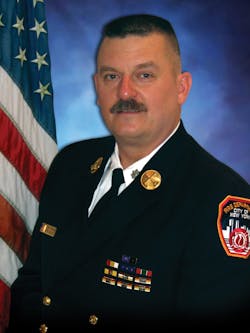
John J. Salka Jr.
Battalion Chief
JOHN J. SALKA JR., who is a Firehouse contributing editor, retired as a battalion chief with FDNY, serving as commander of the 18th battalion in the Bronx. Salka has instructed at several FDNY training programs, including the department’s Probationary Firefighters School, Captains Management Program and Battalion Chiefs Command Course. He conducts training programs at national and local conferences and has been recognized for his firefighter survival course, “Get Out Alive.” Salka co-authored the FDNY Engine Company Operations manual and wrote the book "First In, Last Out–Leadership Lessons From the New York Fire Department." He also operates Fire Command Training, which is a New York-based fire service training and consulting firm.