The Cost of Favoritism: How Leadership Choices Shape Firehouse Morale
Key Takeaways
- When firefighters see decisions that are made based on friendships or personal loyalty instead of based on performance and merit, it chips away at their motivation.
- The best fire department leaders are the ones who value honesty over flattery. They surround themselves with people who will tell them the truth, even when it’s uncomfortable.
- Every fire chief, every officer and every decision-maker must ask, “Am I making this choice for the good of the organization or for the comfort of my circle?”
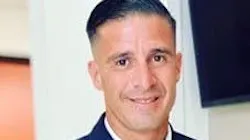
The fire service is built on trust. Every shift, we rely on the person who’s next to us to make decisions that could mean the difference between life and death. That same trust should carry through to every level of the organization, from the firefighters who are on the floor to the highest levels of administration. When leadership decisions start to be made based on who you like instead of who’s earned it, that trust begins to crack. Once it does, it’s difficult to rebuild.
Promotion based on connections, not merit
Let’s be honest: Every firefighter has seen it happen. You have a solid, well-respected member of the department who’s done everything right. That person put in the years, handled business on and off of the fireground, stayed out of drama and earned the respect of peers. When a promotional opportunity or special assignment comes up, everyone assumes that member is next in line. Then, out of nowhere, the decision goes another way.
The person who gets the promotion might be less experienced and/or less respected and, maybe, might not have spent as much time in operations. However, that member happens to be part of the right circle, connected to the right people. The message that sends doesn’t stay behind closed doors. It spreads through every station, every kitchen table, every group text. Before long, you can feel the air change. The pride and motivation that once defined the department start to fade.
Fallout of favoritism
Favoritism isn’t just bad optics; it’s a morale killer. When firefighters see decisions that are made based on friendships or personal loyalty instead of based on performance and merit, it chips away at their motivation. Why put in the work if it doesn’t matter? Why chase certifications, train on your own time or volunteer for extra assignments if the outcome is predetermined?
That’s where the danger lies. A department’s strength doesn’t come from the chief’s office; it comes from the people who are on the floor, the crews who show up day after day ready to handle whatever’s thrown their way. When those people start to feel invisible or undervalued, productivity drops, enthusiasm fades and the culture starts to shift from pride to resentment.
Morale doesn’t collapse overnight. It erodes quietly. It shows up in the little things: less initiative, fewer volunteers for extra work, more gossip, and a subtle but steady loss of enthusiasm for the job. It’s like carbon monoxide for organizational culture: silent and invisible but deadly if left unchecked.
Leadership by popularity
Too often, promotions and appointments are treated like popularity contests. Some leaders surround themselves with people who make them comfortable rather than people who challenge them to be better. They want agreement, not accountability. Real leadership isn’t about comfort; it’s about courage. It’s about having the guts to choose the right person even when that individual isn’t part of one’s inner circle.
The best leaders are the ones who value honesty over flattery. They surround themselves with people who will tell them the truth, even when it’s uncomfortable. The fire service doesn’t need people who habitually agree with a superior in hopes of gaining favor. It needs professionals who care more about doing what’s right than pleasing the boss.
When leaders pick favorites, they aren’t just choosing individuals; they’re choosing the kind of culture that they want to lead. Every time the “chosen few” get the opportunities, it reinforces a message: Being liked matters more than being able. That message spreads fast, and once it takes hold, it’s difficult to undo.
Operational cost
We talk a lot about morale in emotional terms, but there’s a real operational cost, too. When able, experienced members get overlooked, the organization loses depth. The bench weakens. The decision-makers of tomorrow—the people who would be great officers, instructors and/or mentors—start to check out. Some transfer, some retire early, and some just stop caring.
In emergency services, that’s not just a human resources problem; it’s a safety problem. You want your future leaders to be forged from the best of your current ranks. If they’re pushed aside by politics, the entire system suffers. Leadership gaps grow wider. Institutional knowledge fades. The cycle repeats, because once favoritism becomes the norm, it starts to feed itself.
Breaking the cycle
For firefighters who’ve done everything right, it’s disheartening. They follow the rules, they build a good reputation, they treat people with respect, and when the time comes, they expect to be judged on merit. When that doesn’t happen, it can feel like all that effort was wasted.
For those who are in leadership roles, this issue hits differently. Department leaders can’t control every promotion or appointment, but they can control how they lead their people through it.
When firefighters come to you frustrated, the worst thing that you can do is to dismiss their feelings or feed into gossip. The best thing that you can do is listen, validate and remind them that integrity has long-term value, even if it isn’t rewarded right away.
Good leaders at every level must be the buffer, the ones who protect morale, who keep their people focused on the mission and who quietly fight for fairness in the system. It isn’t easy nor glamorous, but that’s what leadership really is: doing what’s right even when it’s inconvenient or unpopular.
How is this fixed? It starts with self-awareness at the top. Every chief, every officer and every decision-maker must ask, “Am I making this choice for the good of the organization or for the comfort of my circle?”
Courage to lead fairly
Transparency is key. When people understand why a decision was made, even if they disagree, they usually can respect it. It’s the silence, the secrecy and the inconsistency that fuel frustration. Departments that communicate clearly, that show their promotional and selection processes are fair, consistent and merit-based, build trust, and trust is what keeps morale strong.
Another piece of the solution is mentorship. Leaders should develop and mentor people who are outside their usual circles. The more diverse the pipeline of future officers, the healthier the organization becomes. When opportunities are open and visible to everyone, the culture shifts from competition to growth.
Being fair isn’t just about policy; it’s about courage. It’s easy to promote the person who always agrees with you. It’s more difficult to promote the one who challenges your ideas but does it respectfully and for the right reasons. Those are the people who make you better. They’re the ones who’ll tell you when you’re wrong, who’ll speak up when something’s off, and who’ll make the department stronger because they care about the mission more than their comfort.
A call for reflection
Departments are at their best when leadership is earned, not given, when promotions mean something, when the firefighters who are on the floor believe that effort, skill and integrity still count. Once that belief is lost, the uniform becomes just a job, not a calling.
Every leader should take time to reflect on how decisions ripple through the ranks. People always are watching, not just what leaders say, but what leaders do. Promotions, assignments and opportunities send a message about what the organization truly values. If you value loyalty, you’ll get loyalty. If you value honesty, you’ll get honesty. If you value favoritism, you’ll get division. The fire service deserves better than that. The profession is too important, and the people are too dedicated to let cliques and politics drive decisions. Leadership should be about fairness, growth, legacy and leaving the department better than you found it.
Leadership is about being fair
Firefighters remember the officers who treated them with respect, pushed them to grow and made decisions with integrity. Those are the leaders who leave a mark long after they’re gone. The same goes for the opposite: We never forget the ones who made it clear that politics mattered more than performance.
At the end of the day, titles fade and rank changes, but your reputation doesn’t. Leadership isn’t about being popular; it’s about being fair. When decisions are made with integrity, the whole organization wins. Morale climbs, pride returns and the mission—protecting lives and serving the community—becomes the focus again, and that’s what the fire service has always been about.
About the Author
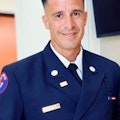 Carlos Lopez
Carlos Lopez
Carlos Lopez is the battalion chief of B shift at Coral Gables, FL, Fire Rescue, where he’s spent more than 23 years serving the community. He previously served as the division chief of logistics, where he was responsible for overseeing and strengthening the department’s logistical operations and operational readiness systems. Lopez has extensive experience in fire, rescue and EMS operations. He holds the Chief Fire Officer designation from the Center for Public Safety Excellence and completed Fire Officer III professional development. He also holds state of Florida Instructor III and BLS Instructor credentials. Lopez earned his Master of Fire and Emergency Sciences degree.