Fire Department Decisions & The Ripple Effect
Key Takeaways
- To overlook the effect that any decision about a fire department’s structure or operations has on firefighters, their families and various others is a mistake that chiefs and officers can’t make.
- A fire department change of shift schedule affects the firefighters but also can affect the members of their family and various other people/groups.
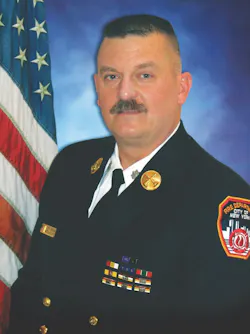
I recently participated in a podcast that centered on the duties and responsibilities of fire department chief officers. One issue that arose was the effect on the many people and places of decisions and policies that chiefs make. A fellow participant used the term “the ripple effect” to describe how a single decision or new policy can have a widespread effect, both positively and negatively.
Firefighters, front and center
One of the first and most visible groups of people in a fire department or fire company are the baseline firefighters. These members generally are the most numerous, so they can be affected by just about any decision or change in policy or rules.
As the saying goes, two things that firefighters hate are change and the way things are. That sounds amusing, but it also accurately describes the typical response of firefighters to just about any arising issue. If a fire chief suggests that the firefighters’ work chart will be changed to 48/96 from 24/48, there undoubtedly will be at least two large groups of firefighters who express two opposite views on the change and the several effects that it will have on their career, personal life and second job.
Families
Would any other group of people be affected by the proposed change? How about the families of the firefighters? The spouses or partners who are nurses, lawyers, teachers, etc.? These people who don’t work for the department have a tremendous effect and influence on the firefighters. Further, not only will daily schedules be affected but, possibly, family income. A firefighter’s family member might lose his/her job or have to reduce work hours to accommodate the new firefighter schedule.
The shift change also might affect the daycare or public school transportation of the firefighters’ children. A firefighter’s family might need to ask other family members, neighbors or friends to assist with getting the children on and off of the bus when both parents are working.
Unions
Another group of people that undoubtedly will be affected by this schedule change is the firefighters’ union or association and the folks who work for the firefighters to try to improve working conditions, pay, benefits, etc. When the change in shift days is proposed, the association certainly will jump right on this issue and research other departments that adopted the new schedule to see whether there are any negative effects on the wellness and comfort of their membership.
Some might say that 48 hours are too many for people in stressful and dangerous jobs, such as firefighters. Others might say that the change must result in an increase in pay. Still others might see it as poor for public relations when citizens discover that firefighters are working so few days per week or month.
Regardless of the issue and regardless of whether union officials support or disagree with the change, this group of people now has an important, debatable issue that some firefighters want to see implemented and some are against.
Single issue, many affected
This single issue of a shift adjustment creates a large ripple effect through several different groups of people. Imagine the dozens of issues that, if raised, modified or eliminated, will create their own ripple effect. This is something that fire chiefs, chief officers who work in the field or company officers should contemplate when they consider or propose changing just about any element of their organization’s structure or operations.
About the Author
 John J. Salka Jr.
John J. Salka Jr.
Battalion Chief
JOHN J. SALKA JR., who is a Firehouse contributing editor, retired as a battalion chief with FDNY, serving as commander of the 18th battalion in the Bronx. Salka has instructed at several FDNY training programs, including the department’s Probationary Firefighters School, Captains Management Program and Battalion Chiefs Command Course. He conducts training programs at national and local conferences and has been recognized for his firefighter survival course, “Get Out Alive.” Salka co-authored the FDNY Engine Company Operations manual and wrote the book "First In, Last Out–Leadership Lessons From the New York Fire Department." He also operates Fire Command Training, which is a New York-based fire service training and consulting firm.