Enhancing Gas Detection Training for U.S. Fire Services
Key Highlights
- Provides a realistic, risk-free platform for gas detection training, reducing the need for live-agent exercises and associated risks.
- Simulates a broad spectrum of hazardous gases and environmental conditions, including wind, temperature, and gas cloud behavior, for comprehensive scenario training.
- Enhances proactive situational awareness by training responders to recognize early gas behavior indicators before alarms trigger.
- Supports scalable and portable deployment, suitable for training centers, on-site premises, and community programs, increasing accessibility.
- Prepares fire teams for emerging hazards such as chemical leaks, CBRN threats, and electric vehicle fires, improving overall response capabilities.
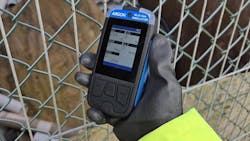
Argon Electronics has introduced the Generic MultiGAS Simulator, a cutting-edge training tool designed to enhance gas detection and hazardous materials (HazMat) response capabilities for fire and rescue teams across the United States. This simulator replicates a broad range of hazardous gas environments, providing fire crews with a safe, realistic, and cost-effective platform to improve their operational readiness without exposure to toxic substances.
Addressing the Complexities of Modern Firefighting
U.S. fire and rescue teams face an increasingly complex landscape of hazardous incidents. From industrial gas leaks and confined space rescues to fires involving electric vehicles and potential terrorist activities, accurate gas detection is critical. Understanding gas behavior and interpreting detector readings can significantly impact firefighter safety, tactical decisions, and public protection.
The Generic MultiGAS Simulator is designed specifically to help fire services prepare for such incidents by simulating a wide range of hazardous gases, including ammonia, chlorine, hydrogen sulfide, and flammable atmospheres. This advanced system provides real-time feedback that mirrors the experience firefighters would have with operational gas detectors on a live incident.
Realistic, Risk-Free Gas Detection Training
Traditional gas detection training typically emphasises alarm activation to indicate hazardous conditions; however, by the time an alarm sounds, responders may already be exposed to danger. In operational contexts, effective response depends on the firefighter’s capacity to interpret gas detector readings, identify early warning trends, and take action before hazardous thresholds are reached.
The Multigas Simulator supports the development of proactive situational awareness by providing realistic detector responses and dynamic readings in a controlled, risk-free environment. This approach fosters comprehensive understanding and decision-making skills, rather than reliance on automatic alarm responses
Adapting to Command-Level Training
The Generic MultiGAS Simulator is highly adaptable, suitable for both entry-level training and more advanced command-level exercises. Incident commanders can use the system to create realistic, multi-gas scenarios that include environmental variables like wind, temperature, and escalating risks. The ability to simulate real-world conditions makes it a valuable tool for preparing fire and rescue teams for both routine and high-risk incidents.
Whether used in Breathing Apparatus (BA) training facilities, incident command centers, or for location-specific training, this simulator enables fire services to conduct training exercises in a controlled, risk-free setting. It provides a safe platform to practice gas detection, decision-making, and tactical response, helping to build a more resilient, prepared workforce.
The Generic MultiGAS Simulator can also be integrated with PlumeSIM, Argon’s wide-area training system, for even more realistic exercises. By incorporating plume dispersion and environmental data, fire teams can better understand how gas clouds behave and how to make informed decisions based on real-time information.
Building Proactive Situational Awareness
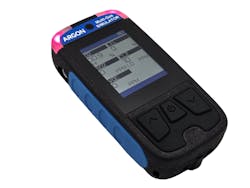
Gas detection is not just about reacting to alarms; it's about developing proactive situational awareness. The MultiGAS Simulator supports this by providing realistic gas behavior, including fluctuating concentrations, oxygen depletion, and enrichment. These features allow firefighters to experience complex scenarios and practice recognizing and responding to early indicators of hazardous gas levels before alarms are triggered.
This proactive approach to training supports better decision-making, improves teamwork, and enhances understanding of gas dynamics—critical factors when facing dangerous HazMat situations in the real world. The system fosters a deeper understanding of how gases interact with the environment and how to respond to them effectively under pressure.
Practical Benefits for U.S. Fire Services
The Generic MultiGAS Simulator offers several key benefits to U.S. fire and rescue services:
- Scalable and Portable: This simulator is a cost-effective alternative to live-agent training, which can be expensive and logistically challenging. It can be deployed at training centers, on-site at high-risk premises, or in community-based training locations, offering flexibility in training delivery.
- Improved Firefighter Safety: By allowing firefighters to repeatedly train in realistic but risk-free environments, the system supports better understanding of hazardous gas behavior, improves decision-making skills, and enhances team coordination—all while keeping personnel safe.
- Realism Without Risk: Unlike live-agent training, which carries inherent risks, the MultiGAS Simulator offers a hands-on training experience without exposing crews to actual toxic substances. The system accurately simulates gas clouds, concentration changes, and oxygen fluctuations, giving fire teams an opportunity to respond to real-world scenarios safely and effectively.
Enhancing Preparedness for Emerging Hazards
As the nature of fire and rescue incidents continues to evolve, the importance of high-quality, scenario-based training cannot be overstated. Firefighters are increasingly called upon to respond to new and emerging threats, such as climate-related incidents and evolving chemical, biological, radiological, and nuclear (CBRN) threats. The Generic MultiGAS Simulator is a versatile tool that helps fire services prepare for these evolving challenges.
With the ability to simulate a wide range of hazardous gases and environments, the simulator prepares fire teams to respond to complex HazMat situations with a higher degree of preparedness and confidence. As fire services across the U.S. continue to improve their resilience and response capabilities, this training tool represents a vital step in enhancing safety and operational effectiveness.
Conclusion
The launch of the Generic MultiGAS Simulator marks a significant step forward in gas detection training for U.S. fire services. Offering a realistic, risk-free alternative to traditional training methods, it equips fire crews with the tools they need to make better decisions in hazardous environments, improving both firefighter safety and public protection.
As the demands on U.S. fire services continue to grow, the need for advanced, flexible, and cost-effective training solutions is more important than ever. The Generic MultiGAS Simulator provides a timely solution to one of the most critical aspects of HazMat preparedness, helping fire services stay ahead of emerging risks and ensure that their teams are ready for any challenge.