2026 Station Design Conference: Planning a Fire Station? Don’t Guess Your Way Through It
Key Takeaways
- With 56 sessions and more than 120 exhibitors, everything about the 2026 Station Design Conference is practical, focused on public safety facilities, including fire stations, and built around real-world experience.
- Whether developing the program of requirements, forming a building committee, issuing a Request for Proposal, reviewing plans, or selecting finishes and equipment, the more informed that fire departments that will construct a new station are, the better their decisions will be.
- Funding remains one of the biggest challenges for fire station and other public safety facility projects. “Funding the Future of Public Safety Facilities: Bonds, Grants, Partnerships and CIP Budgets” will explain general obligation bonds, federal and state grants, public-private partnerships and capital improvement program (CIP) budgets.”
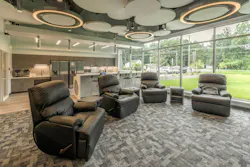
If your department is talking about constructing a new fire station or renovating an existing facility, you should know this: Every decision matters, and every decision costs money.
Maybe you’re starting with a list of needs. Maybe members of a building committee meet regularly and sketch out ideas. Maybe you already are in construction and are watching costs climb faster than what was expected.
Wherever you are in the process, the 2026 Station Design Conference is designed to help your team to make informed decisions—and avoid mistakes that can affect a project for decades. That’s the reality of fire station design. You don’t get many chances to do it right. With 56 sessions and more than 90 exhibitors, everything is centered on public safety facilities. It’s practical, focused and built around real-world experience.
The programs of this four-day conference will be presented by fire chiefs, project managers and architects who have been through the process many times. They’ve dealt with budgets, compromises, unexpected challenges and the long-term effect of design decisions. They know what works and what doesn’t, and they share their lessons learned.
Do a little homework
There’s a lot to take in at the conference. Planning makes the experience far more valuable.
Start by reviewing the online conference program and identifying the sessions that fit your project. Don’t just read the titles. Look closely at the descriptions. The most applicable sessions aren’t always the ones that seem the most interesting on first blush. The most applicable sessions are the ones that answer the questions that you’re dealing with right now.
Where are you in your project? Are you developing the program of requirements? Forming a building committee? Issuing a Request for Proposal (RFP)? Reviewing plans and elevations? Selecting finishes and equipment? Every stage comes with its own set of decisions and its own risks. The more informed that you are, the better those decisions will be.
Changes in station design
The fire service is evolving, and so is station design. Several sessions of the main conference focus on the issues that are shaping how facilities are planned and built.
- Drones as First Responders (DFR) Program and Its Impact on Future Fire Station Design. Drone programs are changing how incidents are managed, providing real-time information before crews are on scene. That has direct implications for station design. Agencies need space for drone storage, maintenance, operations and supporting technology. The takeaway is simple: If you’re designing a station today without considering drones, you might be designing for yesterday’s response model.
- Shifting Gears: How Staffing Models Impact Design. Changes in shift schedules—such as 24/72 and 48/96—are having a direct effect on station design. More personnel, different sleep patterns, and increased demands on living space all affect how stations are configured. A panel of chiefs and architects will discuss how these changes influence everything from bunkrooms to support spaces and what that means for future projects.
- Funding the Future of Public Safety Facilities: Bonds, Grants, Partnerships and CIP Budgets. Funding remains one of the biggest challenges for any project. This session outlines the primary options, including general obligation bonds, federal and state grants, public-private partnerships and capital improvement program (CIP) budgets. Using real-world examples, the presenters will explain how to align your project with the right funding strategy and to build support within your community.
- AI in Design: How Artificial Intelligence Is Transforming Fire Station Design. Artificial intelligence is beginning to influence how facilities are planned and designed. From site selection to response modeling and energy performance, AI tools can provide data that support better decisions. At the same time, the session addresses the limitations of AI, the importance of data quality and the continued need for human judgment.
Built for the fire service
The 2026 Station Design Conference is for fire chiefs, officers, project managers, building committees and municipal leaders who are responsible for planning and constructing public safety facilities.
If your department is planning a new station or renovating an existing one, the conference provides you with the knowledge, contacts and perspective to make better decisions. For a project for which every decision carries long-term consequences, that matters. That’s why the Station Design Conference remains the most widely attended conference of its kind and why it continues to deliver. You won’t be disappointed.