The Fire Department’s ‘Antihero’: Doing What’s Right
Key Takeaways
- Firefighters who do what's right, not just what's routine, are driven by a deep-seated sense of integrity and purpose.
- Fire department antiheroes challenge complacency by questioning whether certain procedures still are valid or whether they're outdated traditions that no longer serve the safety of the crew or the community.
- Without the courage of a fire department's antihero to ensure that protocols and procedures are reevaluated and improved, the department can stagnate.
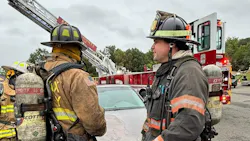
In every fire department, there’s always that one firefighter who doesn’t quite fit the mold. This firefighter doesn’t chase recognition but does challenge tradition and often finds him/herself walking the fine line between respect and resistance. Some call this member difficult. Others call the person dangerous. In truth, this firefighter often embodies what we quietly admire most in the fire service: the ability to do what’s right, not just what’s routine. These firefighters are the antiheroes of the fire service.
Antihero mindset
Fire service antiheroes aren’t reckless or rebellious for the sake of attention. They are driven by a deep-seated sense of integrity and purpose. They question the “why” behind procedures, pushing past the comfort of routine to understand the core reasons for their actions. Their approach might seem unconventional, but it’s rooted in a clear understanding: Safety and effectiveness come from critical thinking not blind obedience. Their actions are grounded in purpose, in the understanding that the mission always comes before the ego.
Firefighting, after all, isn’t about perfection. It’s about adaptability. No two fires are ever the same, no two rescues unfold identically, and no plan survives first contact with chaos. Sometimes, success depends on firefighters’ ability to think beyond the checklist: to improvise, to innovate and to trust their instincts. That’s where antiheroes thrive. They are the ones who see the bigger picture, questioning whether a protocol still is relevant or whether a different approach might save more lives or reduce risk more effectively.
This mindset isn’t about defying authority for the sake of it. It’s about understanding that rules are meant to serve the mission not hinder it. When traditional methods fall short, antiheroes are the ones who are willing to step outside of the boundaries and find new solutions. They often are the catalysts for change within a department, pushing everyone to think more critically about how they do their job.
Results over recognition
In an environment that’s built on discipline and hierarchy, antiheroes can be a tough fit. They might not say the right thing all of the time; they might not smile for the photo; but when the call comes in—when it’s life or death—they get it done. Their motivation isn’t the applause or the accolades; it’s the knowledge that they did what was necessary to save lives and to protect their team.
It isn’t about breaking rules; it’s about understanding the spirit of the rules (and why they exist) and when the situation demands a little more flexibility than the book allows. Good antihero firefighters know that true integrity isn’t about following orders blindly; it’s about making the difficult choices when no one else wants to make them. They’ll take the hit, absorb the criticism and move on, because the satisfaction of knowing that the job was done correctly outweighs the need for praise.
In many cases, these individuals challenge complacency. They question whether certain procedures still are valid or whether they’re just outdated traditions that no longer serve the safety of the crew or the community. This refusal to accept the status quo often sparks necessary debates that lead to improvements in tactics, training and safety protocols—changes that might never happen without someone daring to question and challenge.
Just way vs. easy way
Being an antihero in the fire service means walking a moral tightrope. It’s easy to follow procedure and check boxes, but it’s more difficult to stand up for what’s just, to call out unsafe behavior, to challenge ineffective leadership and to question outdated traditions that no longer serve the mission.
Sometimes, the right way isn’t the popular way. Sometimes, doing what’s just looks messy in the moment, but it saves lives, builds trust and sets a higher standard for those who follow. Antiheroes understand that true leadership involves making difficult decisions, even when they’re unpopular or uncomfortable in the short term. Antiheroes are willing to confront authority when necessary, knowing that their integrity and the safety of their team depend on it.
In a broader sense, they exemplify the value of moral courage—standing firm in convictions, even when they face opposition. They recognize that real progress often begins at the margins, with those who are willing to challenge the accepted norms and push for better practices. Antiheroes’ willingness to do what’s right, regardless of the consequences, elevates the entire department.
Why they matter
Every department needs its rule-followers, its tacticians and its motivators, but it also needs its antiheroes. Antiheroes are the reality check, the creative problem-solvers, the ones who see through bureaucracy and focus on results. They challenge the comfort zone. They force growth. They remind everyone that firefighting isn’t just about the tradition that we inherited but about the mission that we serve.
In many ways, these individuals embody the evolution of the fire service. Their actions often lead to better safety standards, more effective tactics and a culture that values critical thinking over blind compliance. They help to prevent stagnation, to ensure that protocols and procedures always are being reevaluated and improved.
In the end, the fire service doesn’t move forward because of blind obedience; it moves forward because of people who are willing to test boundaries, refine methods and make things better for the next generation. Antiheroes’ willingness to question and challenge is vital for progress. Without their courage, many innovations and safety improvements never might see the light of day.
The scars that antiheroes carry—both physical and emotional—are badges of their commitment to doing what’s right. The quiet satisfaction that they feel when they made a difficult call that saved lives is what fuels their continued advocacy for change. They understand that heroism isn’t always about the spotlight; sometimes, it’s about standing alone in the gray areas and still choosing the right path.
When to question, when to challenge, when to lead
In this line of work, being a hero isn’t always about the light. Sometimes, it’s about standing strong in the gray and still finding the right way through. The fire department’s antiheroes are the unsung champions of progress, embodying the courage to challenge, the integrity to do what’s right and the resilience to push through opposition. They remind us that true heroism isn’t just about bold actions in the heat of the moment; it’s also about quiet moments of conviction, standing firm against the tide of complacency and always striving to serve the greater good.
Their example teaches us that the most effective firefighters aren’t just those who follow orders but those who understand when to question, when to challenge and when to lead. In doing so, they advance a culture of safety, innovation and integrity—one that ensures that the fire service remains a noble and resilient profession for generations to come.
About the Author
Matthew Haight
Matthew Haight began his journey in the fire service as a volunteer firefighter with the Occoquan-Woodbridge-Lorton Volunteer Fire Department. In 2007, he joined Spotsylvania County Fire, Rescue & Emergency Management. In 2015, Haight continued his career with Fort Belvoir Fire & Emergency Services. He values preparation and accountability and has a passion for leadership and professional development, which has driven him to continually seek opportunities to grow, mentor others and strengthen the teams that are around him.