School District Partnerships Are an Untapped Tool for Community Risk Reduction Efforts
Key Highlights
- Building strong relationships between fire departments and school district contacts can open doors for ongoing fire and life safety education beyond annual classroom visits.
- Integrating fire safety topics into school programs can support educational goals and reinforce prevention messages effectively.
- Fire safety educators can involve students in creating safety messages and projects that extend outreach to families and social networks, increasing community impact.
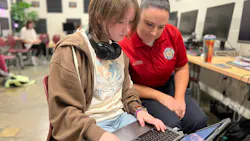
For many fire departments, school visits are a familiar part of fire and life safety education. Firefighters arrive in turnout gear, talk about smoke alarms and fire escape plans, answer a few questions, and head back to the station. While these visits are valuable, limiting school engagement to a single annual presentation can cause departments to overlook one of the most powerful and accessible community risk reduction (CRR) tools available to them: strong partnerships with school districts.
At the same time, getting into schools can sometimes feel like a feat in itself. Teachers and administrators manage full schedules and competing priorities, which can make adding new programs challenging. Building strong relationships and demonstrating how fire and life safety education can support the goals of the school can make a significant difference. Having trusted points of contact within the district, such as school safety liaisons, communications staff, or public information officers, can help open doors, build trust, and create meaningful connections that extend far beyond a single classroom visit.
Departments that invest time in building relationships within school districts often discover that educators and administrators are some of the strongest allies in expanding community safety efforts.
Outreach beyond children in the classroom
School districts extend far beyond individual classrooms. They connect students, families, educators, and neighborhoods in ways that allow safety messages to travel throughout the community. When fire departments build meaningful partnerships with school districts, prevention efforts can reach households, influence families, and strengthen safety culture across entire communities.
Maximizing this impact often requires very little additional cost. It simply requires a shift in perspective. When school engagement is viewed not as a single annual presentation but as an ongoing partnership, fire departments can move beyond traditional education and begin integrating prevention strategies that directly support their CRR goals.
Strengthening these partnerships also means looking for opportunities where fire and life safety education can support the work schools are already doing. Teachers operate within structured curriculum requirements, and many safety topics align naturally with those learning objectives. Discussions about historic fires can support social studies lessons that explore how tragedies led to modern fire codes and safety practices. The science of fire can connect to classroom concepts in chemistry or physics. When safety education reinforces curriculum rather than competing with it, it becomes a resource that supports educators’ goals instead of adding to their workload.
In this way, school districts become more than an audience for safety messages. They become active partners in identifying risks, shaping prevention efforts, and strengthening a community’s overall safety culture. When these partnerships function as a true two-way street, everyone benefits. Fire departments gain valuable insight into community needs, while schools receive trusted support, safety resources, and programs that help protect their students, staff, and families.
Involving students to expand your audience
Students today engage with information differently than previous generations. While traditional presentations still play an important role, students often respond more strongly when they are actively involved in the learning process. School districts can become active partners in community safety through student-driven safety projects.
Students can participate in creating short public safety announcements related to fire and life safety in their community. Keeping the guidelines simple helps encourage creativity while reinforcing key safety messages. Ask students to include a clear target audience, a safety fact, and a call to action.
Schools can work with departments to determine a prize for the project, or fire departments can partner with local businesses to sponsor incentives that encourage participation.
These projects allow safety messages to travel beyond the classroom, reaching families and social networks that fire departments may not otherwise reach directly.
By researching the topic and producing their own safety messaging, students become participants in the learning process rather than passive listeners. Peer-driven messaging also supports CRR efforts by allowing safety information to reach audiences firefighters may not otherwise interact with directly.
When students help create the message, they are more likely to remember it and share it.
Expanding education beyond elementary school
Fire safety education frequently focuses on elementary and preschool students. While those age groups remain important, safety education should not stop there. Departments often find that the academic demands placed on middle and high school students leave little room for additional programming.
Strong relationships with school districts and administrators often reveal opportunities where safety education can support classroom objectives while still meeting the needs of the school. In some communities, state or district safety benchmarks create natural opportunities for collaboration between fire departments and educators.
Older students frequently find themselves making decisions during emergencies, whether assisting younger siblings, preparing meals, or recognizing when someone needs help.
Conversations with middle and high school students often include topics such as when to call 9-1-1, how to clearly describe an emergency to a dispatcher, and the importance of remaining calm while answering questions. Additional discussions may include kitchen safety, lithium-ion battery hazards, and basic CPR awareness.
These interactions also provide an opportunity to introduce students to careers in public safety while demonstrating the broader role firefighters and paramedics play within their communities.
Inclusive fire safety education
Effective fire and life safety education should reach every member of the community, including students with different learning styles and abilities. For many fire educators, there can be some initial hesitation about how to approach special education classrooms. Concerns about whether safety lessons will be appropriate or meaningful can create uncertainty.
In practice, that uncertainty often fades quickly once departments begin working alongside special education teachers and school staff. What may begin with hesitation frequently becomes one of the most rewarding and valuable partnerships a department can develop.
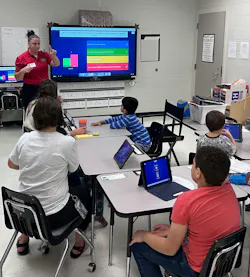
Educators in special education classrooms bring invaluable insight into how students learn, communicate, and process information. Partnering with these educators allows fire departments to deliver meaningful safety education while also gaining a deeper understanding of how to communicate more effectively with some of the most vulnerable members of their community.
Teachers often help adapt safety lessons for life skills classrooms using visual guides, structured worksheets, and simple emergency scripts. Social stories and guided practice scenarios reinforce important concepts such as what to do during a fire drill, or when to call 9-1-1 and what information to provide to a dispatcher.
Practicing these skills ahead of time builds confidence and helps ensure students feel more prepared if they ever face an emergency. For many students, particularly those who are medically complex, interactions with fire and EMS personnel may occur outside of the classroom during times of stress or crisis. Building familiarity with firefighters and emergency responders in a supportive learning environment can help reduce fear and make those real-world encounters less overwhelming.
These partnerships also help fire departments better understand how to support safety education across a person’s lifespan. Many students in special education programs continue to rely on structured support systems into adulthood. Early engagement helps ensure that fire and life safety education reaches individuals who may remain part of vulnerable populations throughout their lives.
An unexpected benefit of these partnerships is the trust that develops along the way. When schools observe the patience, effort, and support firefighters bring to special education classrooms, relationships strengthen across the entire school community and opportunities for deeper collaboration emerge.
School districts also serve as a valuable bridge between fire departments and the diverse communities they protect. In many areas, schools represent one of the first places where families from different cultural backgrounds interact with local institutions. Through these partnerships, fire departments gain a clearer understanding of the languages spoken in their community and how different cultures view safety practices and emergency services.
Schools provide environments where families feel comfortable asking questions and engaging with firefighters. These interactions offer insight into how safety messages should be shared, whether that involves adapting materials for different languages or recognizing cultural traditions that influence safety behaviors. In some communities, these conversations highlight celebrations or traditions involving fire, fireworks, or cooking practices that carry additional risks, allowing departments to approach safety education in ways that respect culture while promoting safer practices.
Firefighters as mentors
School district partnerships also allow firefighters to serve as mentors and positive role models.
When firefighters spend time in classrooms, answer questions, and interact with students, relationships develop that extend far beyond a single presentation. Activities such as reading programs, classroom visits, after-school programs, and school events provide opportunities for firefighters to connect with students in relaxed settings while reinforcing the message that safety and community service go hand in hand. Students begin to view firefighters not only as emergency responders, but also as trusted members of their community.
Using community risk data to guide education
As partnerships with school districts grow stronger, those relationships often expand into deeper collaboration. Schools can become active partners in understanding and addressing community risk. Effective CRR begins with understanding the specific risks within a community, and schools provide valuable opportunities to translate that information into meaningful prevention efforts.
Community Risk Assessments and well-developed CRR plans help departments identify trends, understand hazards, and prioritize prevention strategies. Schools offer a natural environment for turning community risk data into real-world learning opportunities. School districts may also collect valuable information, such as languages spoken and other demographic insights, that can strengthen CRR assessments and planning efforts. When fire departments and school districts share information and perspectives, both gain a clearer understanding of the community and how to better serve it.
Instead of presenting fire safety in general terms, departments can tailor education to address hazards that affect their specific community. In some areas, this may involve emphasizing cooking safety. In others, it may include lithium-ion battery safety, fall prevention for families caring for older relatives, or the importance of calling 9-1-1 early during medical emergencies.
High school classes focused on media, technology, or public safety topics can analyze community risk data. Students review information such as incident types, seasonal patterns, and the calls firefighters respond to most frequently while also examining factors such as community demographics, local economics, building stock, businesses, and how geography can influence safety across their community.
Using the five E's
From there, discussions explore what risks students believe affect their community and how those risks could be addressed through plans that tap into the five E’s of CRR: Education, Enforcement, Economic Incentive, Engineering, and Emergency Response.
Student conclusions do not always match those of fire departments, but these differences often create valuable opportunities for discussion. When assumptions differ from the data, conversations naturally shift toward the gap between perceived risk and actual risk. These moments demonstrate the importance of including stakeholder voices in risk conversations and help departments better understand how community members perceive risk and where knowledge gaps may exist.
For example, students sometimes assume structure fires represent the most common emergency response. In reality, data in many communities shows that falls or cooking related incidents make up a much larger portion of calls. These discussions highlight the difference between dramatic but rare events and the everyday hazards responsible for most injuries.
When students analyze information about their own community, the issue becomes personal. The risks are no longer hypothetical. They occur in neighborhoods they recognize and homes similar to their own.
A low-cost, high-impact CRR strategy
Community risk reduction is most effective when it becomes part of the culture of an entire community. Fire departments cannot accomplish this alone, and school districts represent one of the most effective partnerships for extending prevention efforts beyond the firehouse.
Departments frequently face challenges when organizing smoke alarm drives, community safety events, or large-scale outreach programs. Limited personnel and time often restrict the number of homes that can be reached.
School district partnerships help address that challenge in creative ways. Many middle and high school students complete community service hours, and safety initiatives provide meaningful opportunities for them to give back to their community. Students assist with community events, organize materials for smoke alarm installation programs, support outreach campaigns, and help distribute safety messaging.
These partnerships expand the reach of prevention programs that directly address risks identified through a department’s community risk assessment.
Involvement in these efforts not only strengthens prevention programs but also helps students develop a deeper understanding of community responsibility and public safety.
By working alongside educators, students, and school leadership, fire departments can create networks of safety awareness that reach families, neighborhoods, and future generations. When students understand risk, share safety messages at home, and view firefighters as partners in their community, the impact of prevention grows exponentially.
School districts may not be the only solution for CRR, but they remain one of the most powerful and often overlooked partners in building safer, more informed communities. When fire departments and schools work together, prevention becomes part of the community itself.
About the Author
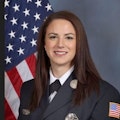 Jessica Curran
Jessica Curran
Jessica Curran is a Fire Education Specialist with Collierville, TN, Fire & Rescue, where she leads public education and community risk reduction (CRR) initiatives focused on building safer, more resilient communities through prevention, partnerships, and outreach. Her work emphasizes bridging the gap between fire service operations and public education while developing innovative programs that engage schools, families, older adults, and underserved populations. Curran also serves as a Lieutenant/Paramedic with the Shelby County, TN, Fire Department. Her operational experience provides valuable real-world insight that strengthens her approach to CRR, emergency preparedness, and public safety messaging. By combining field experience with prevention-focused strategies, she works to reduce risk before emergencies occur while improving outcomes for the communities she serves. She received the 2026 Bruce Womack Public Fire Educator of the Year from the Tennessee Public Fire Educators Association. In 2025, Curran was named one of 10 Rising Stars by the National Fire Protection Association, recognizing emerging leaders in fire safety who demonstrate outstanding commitment to public education.