Easing EMS Load by Pairing With Social Workers for Mental Health Calls
Key Takeaways
- EMS providers should consider using social workers to help to provide more extended care on mental health calls
- Social service agencies and mental health providers might be willing to assist patients through volunteering or referral-based services.
- Bringing social workers into the firehouse to provide training to members on key principles of the social work field can equip paramedics with better tools to assist individuals.
Although best practices for handling mental health calls have been discussed in this column, we only have skimmed the surface of how EMS providers can be true patient advocates. Yes, we can hone our skills in active listening with empathy, but it takes years of training to become truly proficient in managing behavioral health issues.
Many of us have noticed the uptick in calls that involve depression, anxiety, substance abuse, homelessness and other concerns that are tied to mental health, but how do we find enough hours to train for this demographic while maintaining proficiency in every other EMS call that we might encounter?
The hard truth is that we can’t, and, yes, that reality absolutely can be a tough pill to swallow.
Funding
By nature, we are problem solvers. Most of us entered this career not only out of a desire to help others but also because of the drive to “fix the unfixable.” We might verbally acknowledge our limitations, but I would guess that many of us feel frustrated when we don’t have all of the answers. Those who crave the ability to offer more to patients should utilize outside resources to help to provide the best care possible.
One resource that’s gaining traction in several fire departments is the use of social workers to help to provide more-extended care on mental health calls. Some immediately might be put off by concerns about funding, but fortunately, there are ways to work around this issue while still providing a high level of care.
Unexpected access
Although the employment of social workers as part of specialized teams that can respond alongside the fire department is the most immediate and effective support, it often is financially unrealistic. Another approach is partnering with local social service agencies or mental health providers who might be willing to assist patients through volunteering or referral-based services. In these cases, when paramedics identify patients who might benefit from care that’s beyond what EMS can offer on scene, paramedics can ask patients whether they would like a referral to a local social worker for additional support. Yes, this approach relies in part on the goodwill of others, but departments might be surprised by how eager social workers are to assist individuals who are struggling with behavioral health.
Another method: Bring social workers into the firehouse to provide training to members on key principles of the social work field. Although this doesn’t provide immediate long-term support to patients, it does equip paramedics with better tools to assist individuals until more resources can be accessed.
Benefits beyond the patient
Is there a real benefit to integrating social workers into the EMS environment? Studies show that this model helps both the patient and the paramedic.
Social workers bring specialized training in mental health, access to resources and patient advocacy. One of the most significant benefits is their ability to conduct a more thorough psychological assessment than what an EMS provider can conduct. Although firefighter/paramedics display their strength in managing an immediate crisis, social workers have the time and training to explore a patient’s history, support system and barriers to stability. They are equipped to evaluate risk, establish safety plans and determine the most appropriate level of care, whether that means outpatient therapy, detox services, shelter placement or long-term case management.
Not only do social workers excel in connecting patients with community resources, but by helping individuals beyond the “immediate threat,” patients often go on to live a healthier, more stable life. At the same time, this approach reduces strain on emergency responders and local hospitals.
About the Author
 Megan Funk
Megan Funk
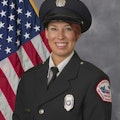
Megan Funk entered into the fire service in 2013. She is a firefighter/paramedic with the Zion, IL, Fire Department and the Barrington Countryside Fire Protection District, which also is in Illinois. Prior to that, Funk spent eight years with the St. Charles, IL, Fire Department as a firefighter/paramedic, where she was involved with the department’s hands-on EMS training and health and wellness committee. Previously, Funk served with the Elk Grove Township, IL, Fire Department. She holds a master’s degree in biomedical science from the University of St Joseph.