How Fire Department Chiefs Can Rediscover Their Calling
Key Takeaways
- Although fire chiefs’ responsibilities (e.g., managing budgets, developing policies, attending municipal board meetings, navigating personnel issues and addressing community concerns) are essential, these things slowly can disconnect these people from the passion that first brought them into the profession. The most effective way for fire chiefs to rediscover their passion is to reconnect with the people who they serve and serve alongside.
- Fire chiefs should take time to recognize the positive changes that they helped to create and that build an organization that’s capable of serving the community long after their tenure ends.
- Sometimes, fire chiefs’ ability to reconnect with their passion requires stepping outside of the daily routine. Investing in oneself isn’t selfish; it’s essential. An exhausted leader can’t inspire others effectively.
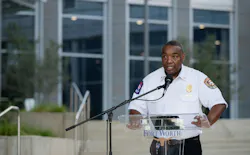
Most chiefs can remember exactly why they joined the fire service. Perhaps it was the excitement of hearing the siren for the first time, the camaraderie that’s found around the kitchen table or the desire to serve the community in meaningful ways. For many, the fire service was more than a career or volunteer commitment; it was a calling. However, as chiefs progress through the ranks, often, something changes.
The further that leaders advance, the further away that they can feel from the work that inspired them to join. Today’s chiefs spend less time on the apparatus floor and more time in meetings. They manage budgets, develop policies, attend municipal board sessions, navigate personnel issues, address community concerns, and respond to an endless stream of emails and administrative responsibilities.
Although these responsibilities are essential, they slowly can disconnect leaders from the passion that first brought them into the profession. Chiefs aren’t immune to burnout, frustration or disillusionment. In many cases, they’re more susceptible because of the unique pressures that they face. The question that every chief occasionally must ask is simple: When was the last time that I remembered why I joined the fire service?
Leadership turns into administration
Few aspiring firefighters dream about budget presentations, labor negotiations, grant applications or policy revisions. That said, these responsibilities increasingly define the modern chief’s role. Chiefs often find themselves caught between competing priorities: the expectations of elected officials, the needs of their personnel, financial limitations, community demands and regulatory requirements. Over time, it becomes easy to measure success by completed reports, balanced budgets and operational metrics instead of mission fulfillment.
The reality is that administration isn’t separate from the mission; it enables the mission. Every budget request that’s approved, every apparatus replacement that’s planned, every training initiative that’s implemented and every partnership that’s developed directly affects the department’s capability to serve the community. The challenge is remembering that connection. When chiefs lose sight of how their leadership influences outcomes on the street, the work can begin to feel transactional rather than transformational.

Recognizing the warning signs
Disconnection rarely happens overnight. It often appears gradually through subtle changes in attitude and perspective. Perhaps a chief finds that organizational problems are being focused on more than opportunities. Maybe the excitement that was felt walking into the station has been replaced by exhaustion. A chief might notice increasing frustration with personnel issues, impatience during meetings or a growing sense that the job has become more about managing problems than serving people.
Other warning signs include cynicism, emotional exhaustion, withdrawal from informal interactions with personnel and an inability to celebrate organizational successes. These feelings are normal, but they shouldn’t be ignored. When chiefs lose their sense of purpose, the effect extends beyond their own well-being. If passion is contagious, so is burnout.
Reconnect through people
The most effective way for chiefs to rediscover their passion is to reconnect with the people who they serve and serve alongside. Spend time at the stations without an agenda. Sit at the kitchen table. Participate in training. Listen more than you speak. Attend community events, visit local schools during public education programs and engage with citizens outside of emergency incidents. These interactions provide important reminders that leadership is ultimately about people—not policies, budgets or spreadsheets.
Talk with newer firefighters about why they joined. Their enthusiasm can be a powerful reminder of one’s own early experiences. The energy of recruits who are experiencing their first successful training evolution or volunteers who are responding to their first structure fire can reignite a passion that administrative responsibilities might have diminished.

Return to the fireground
Many chiefs miss the operational side of the profession. Although leadership responsibilities might limit emergency response involvement, finding appropriate opportunities to remain connected to operations can be valuable.
Participate in training exercises, observe drills, assist with pre-incident planning or conduct after-action reviews with crews. The goal isn’t to relive the past or interfere with company officers; it’s to remain connected to the work that decisions support. Seeing personnel apply the training, equipment and resources that a chief helped to provide reinforces the effect of that person’s leadership. Chiefs might no longer ride the tailboard, but they still play a critical role in every successful department outcome.
Reflect on one’s effect
As firefighters, success often is immediate and visible. As chiefs, one’s effect becomes less tangible. Months might be spent negotiating a budget increase, revising policies, securing grant funding or developing a strategic plan before seeing results. Leadership outcomes often unfold over years rather than hours.
Chiefs should take time to recognize the positive changes that they helped to create. Consider the firefighter who advanced because of a mentoring conversation, the station renovation that improved working conditions or the apparatus replacement that enhanced operational capabilities. Think about the partnerships that were developed, the programs that were implemented and the organizational culture that has been shaped. These achievements matter.
The role of chiefs isn’t to be the hero of the incident; it’s to build an organization that’s capable of serving the community long after their tenure ends.
Reconnect with your ‘why’
Purpose evolves throughout a career. The reasons that a person joined the fire service at age 20 might not be the same reasons that same person, now a chief, remains committed today. Early in one’s career, the excitement of emergency response might have been your primary motivation. As a chief, purpose might center on developing future leaders, strengthening the organization, improving firefighter safety or ensuring that the community receives exceptional service. Reflect on today’s inspirations. Write them down, post them in a conspicuous place and look at them often. Let this serve as a daily reminder of the “why.”
Make time for what matters
Chiefs often spend so much time taking care of everyone else that they neglect their own well-being. Protect time for family, personal interests, physical fitness and professional development. Seek mentorship from other chiefs who understand the unique demands of executive leadership, particularly a group of trusted peers. Attend conferences, participate in professional associations, and engage with others who challenge and inspire.
Sometimes, reconnecting with one’s passion requires stepping outside of the daily routine. Investing in oneself isn’t selfish; it’s essential. An exhausted leader can’t inspire others effectively.
Remember the privilege
Very few professions offer the opportunity to make a lasting difference in people’s lives every day. Fire chiefs have the privilege of serving communities while leading dedicated individuals who share a commitment to something greater than themselves. The administrative demands, political challenges and organizational pressures are real, but they aren’t the purpose of the job. They simply are the tools that are used to fulfill that purpose.
At its core, the fire service remains about protecting lives, supporting personnel and strengthening communities. When the stress of leadership begins to overshadow one’s passion, take a moment to remember the reason for joining. The calling hasn’t disappeared; it simply has evolved. Sometimes, a chief’s reconnecting with the love for the profession begins by stepping away from the desk and remembering the people, experiences and mission that served as the inspiration in the first place.
About the Author
 Jared Renshaw
Jared Renshaw
Jared Renshaw has more than 20 years of experience in the fire service. He started his fire service career with the Fairview Volunteer Fire Department in South Fayette Township, PA. Renshaw also served with career departments in South Carolina and California and since 2015 has served as the fire commissioner with the Western Berks Fire Department in Berks County, PA. He holds a bachelor's degree in fire service administration and is designated as a Chief Fire Officer through the Center for Public Safety Excellence (CPSE). Renshaw served as a member of the board of directors for the Pennsylvania Fire and Emergency Services Institute. He is a member of the advisory board for Firehouse.