An Inside Look at Wildfire Incident Management Teams
Key Takeaways
- The Eaton Fire was a devastating wildfire that tested command structures, coordination, and emotional resilience amidst chaos.
- Chad Costa exlains how effective incident management relies on seamless transitions, clear communication, and interagency collaboration.
- Resource management and detailed incident action plans are critical to ensuring safety and operational success in wildfire suppression efforts.
In the fire service, every incident leaves its mark, but some leave scars and memories etched into the hearts of those who loved and worked through it. Those of us in leadership roles also become reference points—shaping our resolve, humility and understanding of our limits. The Eaton Fire was one such event. It was a convergence of devastation, duty, emotion and execution. For me, it became a reflection of my past and a test of everything I had learned across years of wildfire response.
Memories reignited
On Jan. 7, 2025, the Eaton Fire ignited in Eaton Canyon in the San Gabriel Mountains. Fanned by Santa Ana winds with gusts up to 90 mph and fed by months of drought and dry vegetation, the fire exploded in intensity. It descended swiftly into the foothill community of Altadena, CA, where it destroyed 9,418 structures, burned 14,021 acres and tragically claimed 18 lives, becoming the second-most destructive wildfire in California history.
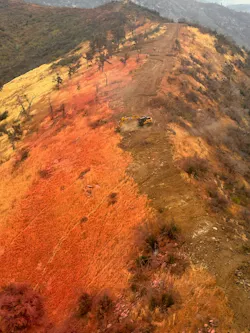
The devastation mirrored what I had experienced during the Tubbs Fire. I remember walking through my neighborhood in Santa Rosa in 2017, the smell of charred wood in the air and the silence of disbelief hanging over the rubble. That same heavy silence met me in Altadena. Seeing homes reduced to ash, firefighters worn down from nonstop suppression efforts and residents trying to save their property with garden hoses came rushing back. These moments aren’t confined to a specific year or ZIP code—they are stitched into our collective trauma. These are not just emergencies but emotional and psychological earthquakes that continue for years. Each new fire reignites the grief of the last.
As I arrived in Altadena to gain situational awareness, I was immediately overwhelmed by a flood of memories from the Tubbs Fire in Santa Rosa, the desperation I had witnessed in Lahaina and the devastation left behind by the Walbridge and Kincade fires. The destruction around me was not unfamiliar, but that didn’t make it any easier. My stomach turned at the sight of entire neighborhoods reduced to ash. I saw people crying, holding onto whatever they could salvage, using garden hoses in a last attempt to hold back the flames.
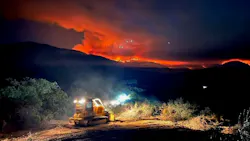
This was personal. I knew from experience just how deep the pain would run; how long recovery would take and how many lives would be forever changed. From those who lost loved ones to those who struggle for years with the economic, emotional and physical toll, these events shape entire communities, sometimes for generations.
Command established at Rose Bowl Stadium
There was a quiet urgency when I arrived at the incident command post (ICP) at the iconic Rose Bowl Stadium in Pasadena, CA. I joined a local Type 3 team from Los Angeles County, which had been operating for nearly 20 hours straight. Despite the fatigue, their professionalism and poise never faltered. Their ability to transition and embed seamlessly within California Interagency Incident Management Team (CIIMT) 5 was extraordinary, and their situational awareness was razor-sharp.
That handoff—often overlooked by the public—is as critical as a first-due size-up. It sets the tone for the entire operation and either builds or breaks the foundation of trust. I’ve seen transitions go poorly before. This one didn’t, as it became the linchpin of our operational tempo for the following days.
I was genuinely impressed by those team members and the broader Los Angeles County response. The community rose to meet the crisis.
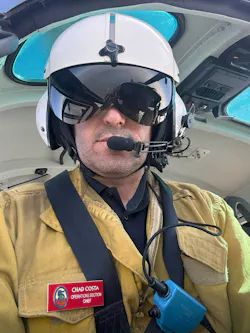
Having served in the same planning operations role just months earlier at the Bridge Fire, I had the advantage of local knowledge and existing relationships. That experience set me up for a sense of perceived success and a sense of familiarity. But no amount of experience could prepare me for the emotional toll of those two weeks.
The monumental task ahead
We had a substantial amount of structure loss, active fire spread, known injuries and the terrifying potential for even more fatalities. The situation was dynamic, chaotic and relentless. Every hour brought new reports of homes lost, evacuations underway and urgent calls for medical transport. We watched a community unravel before our eyes and knew the fire was far from finished. The emotional weight of that knowledge was suffocating, but we couldn’t afford to dwell on it—we had work to do.
We knew we needed help fast. The resources already on scene were doing everything they could, but the scope of the disaster outpaced capacity at every level. Unified command and CIIMT 5 kicked into high gear, drawing from a wellspring of training and experience that only a Type 1 team can bring. The machinery of the incident management system started to hum with purpose. Plans were made, priorities shifted, air assets deployed, staging areas established and information flowed with discipline and intent.
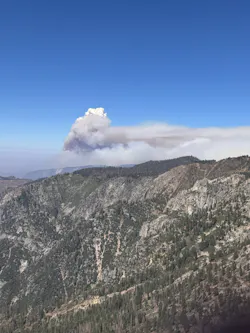
Watching the coordination and strategy unfold in real-time reminded me why Type 1 incident management teams (IMTs) are a vital national asset. These teams bring order to disorder and a process to panic. Their ability to bring calm to chaos and implement structure in moments of urgency is something all fire service leaders should witness. It restores confidence, coordination, and a fighting chance to protect life and property against overwhelming odds.
The mission: resource management
My primary role is centered on resource management, which can easily consume 16 to 18 hours a day. It’s a job of spreadsheets, radios, group texts and decisions. Getting it right means enabling success on the Fireline, ensuring the right people are in the right place with the right tools. Getting it wrong introduces delays, confusion and risk.
With thousands of people on the ground, the accuracy and clarity of our incident action plans (IAPs) directly affected safety and effectiveness. These plans aren’t just paper; they are the heartbeat of the next 24 hours. I’ve watched IAPs rally crews, and I’ve seen them crumble under bad intelligence. Planning operations doesn’t carry the glory of the front line, but it supports every action out there. When it’s done right, it lifts the entire operations section. I take pride in that—even as I continue to learn and grow in the role.
In the Eaton Fire, the terrain, weather, infrastructure and population density added multiple layers of pressure. We found ourselves constantly weighing urgency against sustainability. Every decision—whether to surge resources into one division or reroute heavy equipment to protect infrastructure—had second and third-order effects. These were not theoretical problems. They were real-time gambles with real lives at stake.
A typical day in planning ops
Each day started around 4:30-5:00 a.m. By 5:30 a.m., I was preparing for the PRE-OPS briefing with operations. At 7:00, I was on stage for the main briefing, assigning tactics and structure for the shift ahead. From there, my day consisted of briefings, coordination and updates. Here's a breakdown of a typical operational cycle with CIIMT:
4:30–5:00 a.m. Wake up, quick bite, check overnight activity logs
6:30 a.m. PRE-OPS - Internal strategy huddle with the operations section
7:00 a.m. Day Briefing: Full operational briefing to hand out assignments and safety updates
8:00 a.m. Coordination of all aviation assets and airspace planning
10:00 a.m. Meeting with external agencies like utilities, non-governmental organizations and allied law enforcement
11:30 a.m. Review operational challenges and share intel across all sections
3:00 p.m. Finalize the next day’s tactics and resource allocations
3:30 p.m. Confirm assignments and verify the IAP’s resource data
5:00 p.m. Present the draft IAP to Unified Command for approval
6:30 p.m. Hand-off meeting to the incoming night operations team
7:00 p.m. Assignments, safety and briefings for night resources
7:30 p.m. Review of day operations and preparation for the next cycle
Some days ended close to 10:00 p.m., and there was barely enough time to eat or rest in between. It was exhausting, but necessary.
One incident into another
A few months earlier, the Bridge Fire had burned through Wrightwood and Mount Baldy in California. It was a fast-moving, high-elevation wildfire that forced mass evacuations and challenged access and containment due to steep terrain and limited ingress. I served in the same planning operations role then, and that experience gave me a foundation I learned from heavily during the Eaton Fire response.
Having already navigated the logistical and political landscape of Los Angeles County, I was able to hit the ground running. Our work at the Bridge Fire set the groundwork for quicker coordination, mutual understanding and a shared sense of urgency when Eaton ignited.
In February 2025, I returned to Los Angeles County to support post-fire watershed protection operations with CAL FIRE. The flames might be out, but the emergency isn’t over. In many ways, it’s just beginning. Burn scars transform landscapes into hazards and, suddenly, rainstorms threaten lives through debris flows and flash flooding. My days were spent working with hydrologists, engineers and environmental teams to plan and implement erosion-control projects, deploy sandbags and prioritize critical drainage systems.
It reminds us that fire is not a singular event, it’s a chain reaction. The way we manage recovery is just as important as how we fight the flames.
Collaboration is key
The Eaton Fire response was defined by collaboration. It was evident at every moment of the response effort, as dozens of agencies and community groups worked shoulder to shoulder under extreme conditions.
CAL FIRE, municipal departments, federal partners and contractors formed a cohesive suppression force, rapidly adapting to shifting conditions and overwhelming fire behavior. Law enforcement ensured swift and safe evacuations, often placing themselves between advancing flames and vulnerable communities. EMS teams worked under immense pressure to provide care, coordinating field triage, transport and patient tracking during chaos. Military and mutual aid partners arrived with air support, logistical expertise and workforce to reinforce a system stretched thin. Non-governmental organizations mobilized quickly, providing food, shelter, emotional support and critical resources for evacuees. Volunteers, neighbors and local businesses increased with donations, housing, supplies and solidarity.
But it wasn’t just a list of logos and job titles. Connected by purpose, people turned a fragmented response into a united front. At ICP, it wasn’t uncommon to see federal logistics personnel collaborating with local fire captains over a map, or a public works worker coordinating barricades with a battalion chief. There was no room for silos. Titles didn’t matter; outcomes did.
It was more than fire suppression. It was a whole-community response, defined by empathy, resilience and collective strength.
Final reflections
Being involved in the Eaton Fire reinforced the importance of structure, compassion and persistence. It reminded me that this work doesn’t end when the smoke clears. The real work begins long after the headlines fade.
What will stay with me the longest isn’t just the operational success or the tactical wins. It’s the faces of people clutching photo albums. It’s the firefighter who sat alone on the bumper of a rig after 36 hours straight, eyes blank. It’s the moment I walked into a briefing and realized we had just enough time, just enough people and just enough hope to get through the next shift.
It confirmed that our best chance at resilience lies in preparing before the next spark ever lands. That means planning, mitigation and community readiness. It means investing in the unseen roles and systems that hold the response together.
I am proud of what we did, humbled by the pain we witnessed and more committed than ever to the prevention mission.
The next fire is coming, and how we prepare will define what comes after.
Wildfire risk reduction: protecting your home
CAL FIRE’s updated fire hazard severity zones (FHSZ) are helping communities understand their risk with unprecedented detail. These maps evaluate terrain, fuels and weather to classify risk in the state responsibility area (SRA). It’s an essential planning tool, especially for communities in the wildland-urban interface.
The most critical change is the introduction of "Zone Zero,” the first five feet around your home. Research shows that most homes ignite from embers or radiant heat, not direct flames. Removing wood piles, fencing and mulch near your home’s foundation can mean survival and loss. Add fire-resistant vents, Class A roofs and non-combustible siding to turn your property into a stronghold.
The U.S. Department of Agriculture’s (USDA) wildfire crisis strategy pushes for transformative change, treating landscapes before disaster strikes. It's not just a top-down government initiative; it’s a nationwide call to arms. It’s about communities recognizing that wildfire risk reduction is no longer optional but a responsibility we all must share.
Risk reduction takes a village. Tribes with generations of land stewardship experience, utility companies safeguarding infrastructure, local governments adjusting zoning policies and federal partners funding large-scale fuel treatments are all working in concert to shift our posture from reactive to proactive. These aren’t just partnerships of convenience. They are partnerships of necessity.
This includes:
- Prescribed fire: An age-old practice to reduce surface fuels and maintain ecological balance.
- Mechanical thinning: Removing ladder fuels that help wildfire climb into the canopy.
- Fuel breaks: Strategically placed zones that slow fire spread and give responders a chance.
- Community planning and education: Ensuring residents know their risks and their role in reducing them.
It's not enough to wait for the red flag warnings or hope it won’t happen here. We must invest in the health of our landscape now, before the smoke comes. That means designing fire-resilient communities, funding mitigation programs and giving voice to fire-adapted culture.
Our future depends on how well we act today. If we want to see fewer communities on the list of tragic headlines, we must embrace risk reduction not as an emergency measure, but as a lifestyle.
We will never have enough engines, aircraft or people to save every structure. However, individual efforts to harden homes and manage defensible space could change the outcome. That’s the real front line.
About the Author
 Chad Costa
Chad Costa
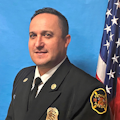
Chad Costa is the assistant chief for the Petaluma, CA, Fire Department. With more than 26 years of fire service experience, he has worked in various organizations, including CAL FIRE, rural and semi-rural districts, and a city. As a battalion chief, Costa was the technology and communications battalion chief. He is now a rostered operations branch director for CalFire Team 1 and an alternate operations section chief trainee on California Interagency Team 5. Costa is an accredited Chief Fire Officer through the Center for Public Safety Excellence and has a bachelor’s degree in emergency services management, a master’s degree in fire service leadership, and a certificate in homeland security. Costa has also completed the Executive Chief Officer Program at the National Fire Academy. Costa is a member of the Firehouse Editorial Advisory Board.