The Silent Threat: Firefighter Stroke Risk
Key Takeaways
- When microscopic soot particles that are found in fire smoke cross the respiratory barrier deep into firefighters’ lungs and enter their bloodstream, they trigger massive, systemic chemical stress and immediate, acute inflammation, and the blood becomes far more prone to thickening and forming blockages.
- High blood pressure from lack of sleep, thick blood from dehydration and an inflammatory spike from microscopic smoke particles create the perfect storm for stroke risk.
- Firefighters must expand their definition of health. Rehab shouldn’t be optional nor just about consumming a sports drink after a fire is knocked down. Respiratory protection must remain on until the fireground environment is completely safe. Comprehensive annual medical exams must include advanced vascular and ultrasound screenings. Work schedules and protocols should minimize unnecessary sleep disruption.
We are a mission-driven culture. For the past two decades, our profession has focused its heaviest defensive lines rightly on the big headline killers: occupational cancer and sudden cardiac arrest. We changed our gear-washing protocols, bolted down exhaust removal systems and pushed for cleaner fire stations. We bought into functional fitness and left behind the old-school bodybuilding mindsets to instead train as the tactical athletes that we are.
However, if we dive deeper into the data and consider the full picture of our health, it becomes glaringly obvious that we can’t afford to view our cardiovascular system through tunnel vision. Another high-stakes vascular emergency quietly rides backward on our rigs, waiting for the right mix of thermal stress, toxic exposure, and structural wear and tear to strike: cerebrovascular accidents, or strokes.
If our goal is to constantly build our knowledge and protect crews, we must start to talk about stroke risks with the same urgency, tactical planning and aggressive preventative measures that we apply to fires and maydays.
Paradox of the ‘healthy worker’
When we look at epidemiology, we often run into a statistical phenomenon that’s known as the healthy worker effect. Because the fire service demands rigorous physical agility entrance exams, medical clearances and a baseline level of occupational fitness, firefighters as a cohort start out significantly healthier than the general public. Large-scale mortality reviews show that our baseline mortality rate for cerebrovascular disease is lower than that of civilians.
That baseline advantage is a double-edged sword. It breeds complacency, and complacency is an insidious, seductive killer on and off of the fireground.
Despite our head start in health, in 2022 (the most recent year for which statistics are available), cardiovascular and cerebrovascular events combined accounted for roughly 40 percent of all on-duty firefighter fatalities, according to the U.S. Fire Administration. The lower baseline risk doesn’t protect us when we’re operating on a second bottle in a heavily compromised environment.
Smoke and inflammation
For years, we viewed smoke exposure primarily through the lens of carcinogens and respiratory damage. However, recent environmental health research completely changed our understanding of what happens to our blood vessels when we breathe in modern smoke.
Consider recent cohort research that analyzed the long-term effect of microscopic soot and ultrafine toxic particles that are found in heavy wildfire and structural smoke: For every microscopic increase in average smoke particle concentration in the air, an individual’s stroke risk increases by 1.3 percent.
The microscopic soot particles that are found in fire smoke are different structurally and far more toxic to our veins and arteries than the regular dust and exhaust particles that are generated by everyday pollution. When these particles cross the respiratory barrier deep into our lungs and enter our bloodstream, they trigger a massive, systemic cascade of chemical stress and immediate, acute inflammation.
This toxic environment causes rapid damage to the delicate inner lining of our blood vessels and triggers a state of dangerous clotting activation. In plain English: Your blood becomes far more prone to thickening and forming blockages. If a firefighter has an underlying, undetected buildup of plaque, this sudden inflammatory surge can cause that buildup to rupture or a clot to form, leading directly to a stroke. Walking into such a toxic environment without a mask or dropping your SCBA during overhaul is an open invitation for a vascular incident.
Perfect storm of job stressors
The true danger of a stroke is how our unique operational environment acts as a multiplier for stroke risk factors. Our daily routines are a textbook definition of physiological strain.
Thermal stress and blood viscosity. When we don our turnout gear, we essentially seal ourselves inside of a heavy, nonpermeable capsule that’s designed to keep heat out. However, it also traps heat. As our core temperature skyrockets during structural firefighting, our body attempts to cool itself through profuse sweating. This leads to rapid, profound dehydration. As the liquid part of our blood drops, our blood thickens and is difficult to pump. This dramatically increases the strain on the heart and creates the ideal environment for a vessel blockage in the brain.
Sympathetic overdrive and the alarm drop. Our life is dictated by the tones. We can be asleep and in a deep state of natural rest, and within three seconds, our heart rate climbs to 160 beats per minute because of a sudden alarm drop. This violent spike in blood pressure puts immense, immediate stress on our cerebral arteries. Further, because we immediately must shift into a focused, tactical mindset, our body stays locked in a constant fight-or-flight state. This means that our blood vessels never fully recover. Over a career, this constant high pressure can cause damage in arterial walls, laying the exact groundwork for a stroke.
Chronic shift work sleep deprivation. Shift work completely wrecks our body’s natural internal clock. Chronic sleep deprivation prevents the cardiovascular system from entering its natural, nightly recovery phases. This leads to chronic high blood pressure, which is the leading modifiable risk factor for stroke.
High blood pressure from lack of sleep, thick blood from dehydration and an inflammatory spike from microscopic smoke particles create the perfect storm for a life-altering medical emergency.
From fitness to total wellness
We must expand our definition of health. Fitness is critical, but it’s only one part of the big picture. We must look at how we eat, sleep, manage stress and recover and implement simple, data-driven habits to protect our vascular health.
- Aggressive on-scene rehab and active cooling. Rehab shouldn’t be optional nor just be about consuming a sports drink after the fire is knocked down. We need mandatory active cooling (forearm submersion, wet towels) and rapid rehydration to bring core temperature down and thin our blood before crews pack up and head back to staging.
- SCBA enforcement through overhaul. Toxic gases and microscopic soot particles that drive stroke risk are heavily present during overhaul. Respiratory protection must remain on until air monitoring confirms that the environment is completely safe.
- Mandatory annual cardiovascular screening. Every firefighter deserves a comprehensive, paid, annual medical exam that includes advanced vascular and ultrasound screenings. We must catch occult vessel disease and plaque in the neck arteries before a high-stress call turns it into a tragedy.
- Prioritizing sleep hygiene. Departments, boards and leadership must review schedules and protocols to minimize unnecessary sleep disruption. At the station level, we must embrace the power of recovery and normalize napping after a heavy run at night to help our cardiovascular system to reset.
Lead by example
Company officers: Your crewmembers are watching you. If you want crewmembers who take care of their body, survive this career and enjoy retirement, you must be the living example. Set clear health and safety expectations up front, communicate openly and never overlook an opportunity to have a positive effect on someone’s life and health.
None of these suggestions is new, but putting these solutions into action won’t just protect us from a sudden stroke; they are the exact same steps that are required to reduce our risk of occupational cancer, heart attacks, diabetes and the mental health issues that tear through our ranks.
We are all a work in progress. I fail at something every single day, but the goal is the effort, the continual motion toward improvement. Stop treating stroke and vascular disease as though they’re unavoidable occupational hazards. Take the current research, apply it directly to your training and station culture, and make yourself truly difficult to injure.
Product Spotlight
Forcible Entry Training
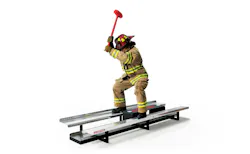
The Keiser Force Machine, which is designed for firefighter training, replicates the chopping motion that’s used in firefighting tasks, to offer a safe and resource-efficient training solution. Featuring a biomechanically correct design, the machine uses a 9-lb. dead-blow sledgehammer to strike an I-beam, to simulate real-life forcible entry scenarios. Durable and efficient, it ensures that emergency personnel build strength and endurance while minimizing injury risks.
Stair Climber
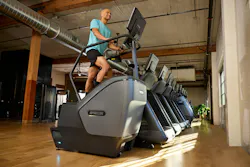
Built to stand the test of time, the Precor StairClimber is engineered for demanding environments and passes rigorous testing to ensure lasting performance. With easy step-on and step-off access, remote speed controls and a dedicated CPAT Fit Test workout mode, it helps firefighters and recruits to train particularly for the Candidate Physical Ability Test while it delivers dependable performance day after day.
Wellness data collection
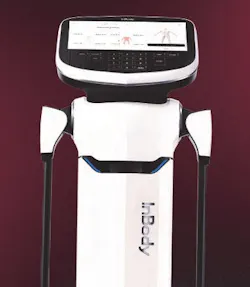
Turnout gear is inspected, tested and documented. Readiness deserves the same. InBody measures body fat, skeletal muscle, visceral fat, hydration and cellular health within 60 seconds. Fire departments across the United States use InBody data to identify health risks, monitor recovery, improve fitness outcomes, and provide objective data for wellness initiatives and return-to-duty programs. This helps to provide safer responses, smarter training and longer careers.
Product Spotlight
Forcible Entry Training
The Keiser Force Machine, which is designed for firefighter training, replicates the chopping motion that’s used in firefighting tasks, to offer a safe and resource-efficient training solution. Featuring a biomechanically correct design, the machine uses a 9-lb. dead-blow sledgehammer to strike an I-beam, to simulate real-life forcible entry scenarios. Durable and efficient, it ensures that emergency personnel build strength and endurance while minimizing injury risks.
KEISER.COM
Stair Climber
Built to stand the test of time, the Precor StairClimber is engineered for demanding environments and passes rigorous testing to ensure lasting performance. With easy step-on and step-off access, remote speed controls and a dedicated CPAT Fit Test workout mode, it helps firefighters and recruits to train particularly for the Candidate Physical Ability Test while it delivers dependable performance day after day.
GO.PRECOR.COM
Wellness data collection
Turnout gear is inspected, tested and documented. Readiness deserves the same. InBody measures body fat, skeletal muscle, visceral fat, hydration and cellular health within 60 seconds. Fire departments across the United States use InBody data to identify health risks, monitor recovery, improve fitness outcomes, and provide objective data for wellness initiatives and return-to-duty programs. This helps to provide safer responses, smarter training and longer careers.
INBODY.COM
About the Author
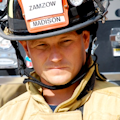 Aaron Zamzow
Aaron Zamzow
Aaron Zamzow is a firefighter/training officer for Madison, WI, Fire Department. He holds a bachelor’s degree in health/wellness and has 20 years of experience as a fitness trainer. He created Fire Rescue Fitness and authors programs that are aimed at getting fire rescue athletes fit for duty.