EFO Research Brief: Beyond Sick Leave—Culture’s Impact on Firefighter Absenteeism
Key Takeaways
- Open, honest, and transparent leadership communication is one of the strongest predictors of reduced sick leave usage in the fire service..
- Mandatory overtime and staffing shortages are major operational factors that increase absenteeism due to fatigue and stress.
- Strong peer support and positive relationships within fire stations decrease absenteeism by fostering a supportive environment.
Editor's note: "EFO Research Brief" is a new collaboration between Firehouse.com and the National Fire Academy's Executive Fire Officer Program to highlight the research conducted by students. Each month, we will provide a summation brief of the student's final research capstone spanning multiple fire service topics.
Fire departments across the country continue to face an increasingly difficult balancing act. Staffing shortages, rising call volumes, mandatory overtime, behavioral health concerns, and workforce fatigue have combined to create significant operational challenges.
One consequence that affects nearly every department is firefighter absenteeism. When a firefighter calls in sick, departments often respond by forcing another firefighter to work overtime. That firefighter becomes more fatigued, increasing the likelihood that they, too, will eventually need time away from work. The result is a self-perpetuating cycle that strains personnel, budgets, morale, and operational readiness.
For decades, the fire service has examined absenteeism primarily through the lenses of physical health, injury, behavioral health, and individual accountability. Wellness initiatives have expanded significantly, and many departments have invested heavily in peer support, behavioral health resources, and fitness programs. Yet one important question has remained largely unexplored: What role does organizational culture play in firefighter attendance?
That question became the foundation of my Executive Fire Officer (EFO) capstone research through the National Fire Academy. Rather than viewing absenteeism strictly as an individual decision or disciplinary issue, this research examined whether firefighters' perceptions of their work environment significantly influence their likelihood of using sick leave. Specifically, the study explored whether organizational culture predicts firefighter absenteeism and which aspects of that culture have the greatest impact on attendance behavior. The findings suggest that perhaps we have been asking the wrong question all along. Instead of asking, "Why do firefighters call in sick?" leaders may achieve greater results by asking, "What organizational conditions make firefighters want to come to work?"
Looking Beyond Individual Behavior
Fire departments have historically approached absenteeism through attendance policies, progressive discipline, or incentive programs. While these approaches certainly have their place, they often assume absenteeism is primarily an individual behavioral issue. Organizational psychology tells a different story. Employees rarely operate independently of the environment around them. Leadership behaviors, communication, relationships, workload, staffing, and organizational trust all influence employee engagement and commitment. Firefighters are no exception. The fire station functions as a close-knit social system where trust, teamwork, and interpersonal relationships are essential not only for organizational success but also for survival on the fireground. This research sought to determine whether those same organizational dynamics extend beyond emergency operations and influence attendance behaviors as well.
Studying Firefighter Absenteeism
A national anonymous electronic survey was distributed to career firefighters and company officers from municipal fire departments across the United States. The survey measured firefighters' perceptions of several organizational variables, including:
- Organizational culture
- Leadership communication
- Peer support
- Trust
- Accountability and fairness
- Recognition and motivation
- Staffing adequacy
- Mandatory overtime
- Supervisor perceptions of sick leave legitimacy
A total of 389 firefighters participated, providing sufficient statistical power to examine relationships among these variables. Using IBM SPSS statistical software, data were analyzed through descriptive statistics, reliability testing, Spearman's rho correlations, and multiple regression analysis to identify which organizational factors significantly predicted firefighter absenteeism.
Organizational culture matters
The results were remarkably clear. Organizational culture emerged as a significant predictor of firefighter absenteeism. Firefighters who described their departments as having stronger cultures characterized by trust, collaboration, teamwork, and shared values consistently reported lower levels of sick leave usage. This finding reinforces what many experienced fire service leaders intuitively understand. Culture influences behavior. When firefighters believe they are valued, trusted, connected to their crews, and part of something meaningful, they demonstrate greater organizational commitment. That commitment extends beyond emergency incidents and appears to influence everyday attendance decisions. Healthy cultures create environments where firefighters want to contribute rather than simply fulfill minimum expectations.
Communication is leadership
Perhaps one of the most important findings involved leadership communication. Among all leadership-related variables measured, communication consistently emerged as one of the strongest predictors of absenteeism. Departments where firefighters perceived leaders as communicating openly, honestly, consistently, and transparently experienced significantly lower absenteeism. Communication builds trust. It reduces uncertainty during organizational change. It helps firefighters understand decisions that affect their daily work. Most importantly, communication reinforces psychological safety by creating an environment where employees believe leadership is listening. Firefighters may not always agree with organizational decisions, but they are far more likely to support those decisions when they understand the reasoning behind them and feel their voices are heard. Communication, therefore, is not simply an administrative function. It is a strategic leadership behavior with measurable organizational outcomes.
Relationships still matter
Fire stations have always been built around relationships. The shared meals, difficult calls, training evolutions, and countless hours spent together create bonds unlike those found in many professions. This study confirmed the importance of those relationships. Peer support and team cohesion significantly predicted lower absenteeism. Firefighters who reported stronger crew relationships and supportive station environments were less likely to utilize sick leave. These findings reinforce the importance of mentorship programs, crew development, psychological safety, and intentional relationship building within organizations. While peer support programs often focus on behavioral health after traumatic incidents, their everyday value may extend much further by strengthening organizational resilience before crises occur.
Operational reality cannot be ignored
Although organizational culture proved highly influential, operational conditions were equally important. Mandatory overtime demonstrated the strongest positive relationship with absenteeism. This finding should surprise no one working in today's fire service. Excessive overtime produces fatigue. Fatigue affects sleep quality, physical recovery, mental health, decision-making, and overall well-being. Eventually, fatigued firefighters need time away from work. Unfortunately, those absences often generate even more mandatory overtime for remaining personnel. Departments become trapped in a cycle where overtime creates fatigue, fatigue increases absenteeism, absenteeism generates additional overtime, and the cycle continues. Staffing adequacy demonstrated similar effects. Departments experiencing chronic staffing shortages reported significantly higher absenteeism than adequately staffed organizations. These findings suggest staffing should not be viewed solely as a budget discussion. It is also a wellness strategy. Investing in adequate staffing reduces operational stress while improving workforce stability and organizational resilience.
What didn't matter to participants
One of the more surprising findings involved several leadership variables commonly assumed to influence attendance. Accountability and fairness. Recognition and motivation. Supervisor perceptions regarding the legitimacy of absences. None of these demonstrated statistical significance within the regression model. This does not suggest these leadership practices lack value. Rather, it indicates they were less influential than communication, organizational culture, peer relationships, staffing adequacy, and mandatory overtime when predicting absenteeism. Recognition programs alone cannot overcome fatigue. Strict attendance policies cannot replace trust. Discipline cannot compensate for organizational dysfunction. The work environment itself appears to exert far greater influence over attendance behavior than isolated leadership initiatives.
Implications for fire service leadership
For executive leaders, these findings offer practical guidance. First, organizational culture should be viewed as a measurable organizational asset rather than an abstract leadership concept. Culture influences workforce stability. Culture influences operational readiness. Culture influences employee retention. Culture influences wellness.
Second, leaders should prioritize communication as a strategic leadership competency. Transparency, consistency, active listening, and frequent dialogue strengthen trust while reducing organizational uncertainty.
Third, departments should continue investing in peer support, mentoring, leadership development, and crew cohesion. Relationships remain one of the strongest protective factors within emergency response organizations.
Fourth, reducing reliance on mandatory overtime should become an organizational priority whenever feasible. Strategic hiring, succession planning, workforce forecasting, and alternative staffing models may help interrupt the fatigue cycle that contributes to absenteeism.
Finally, departments should routinely measure organizational culture through climate surveys and employee assessments. Leaders routinely measure response times, training compliance, apparatus readiness, and financial performance. Organizational culture deserves similar attention because it directly affects each of those outcomes.
Shift in perspective
Perhaps the greatest contribution of this research is not the statistical findings themselves but the leadership perspective they encourage. Firefighter absenteeism should not be viewed exclusively as an attendance problem. Instead, it should be understood as one indicator of organizational health. When firefighters consistently choose to come to work, despite the inherent challenges of the profession, it often reflects something much larger than attendance policy. It reflects trust in leadership, confidence in coworkers, manageable workloads, effective communication, and a culture where people feel connected to the mission. Conversely, persistent absenteeism may serve as an early warning signal that organizational conditions require attention. The fire service has long recognized that emergency incidents are rarely caused by a single failure. Catastrophic events usually result from multiple small conditions aligning over time. Organizations operate much the same way. Absenteeism may not be the problem itself. It may simply be a symptom. The responsibility of executive leadership is not merely to manage the symptom but to improve the environment that produced it.
When leaders intentionally strengthen organizational culture, communicate effectively, build trust, invest in relationships, and reduce unnecessary operational stress, they do far more than reduce sick leave. They build healthier firefighters, stronger organizations, greater operational readiness, improved fiscal stewardship, and ultimately, safer communities. That may be the most important lesson from this research: attendance is not simply about showing up for work. It is often a reflection of whether the organization has shown up for its people.
About the Author
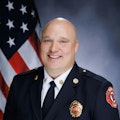 James H. Johnston II
James H. Johnston II
James H. Johnston II serves as a chief fire officer and certified emergency manager in Nevada. He has more than 25 years of fire service experience, having risen through the ranks from firefighter to chief. Johnston holds degrees in psychology and fire science and a Ph.D. in fire and emergency management from Oklahoma State University.