Navigating the Grant Purchasing Process for Fire Departments
Key Highlights
- AFG and other fire grants are highly competitive, making early preparation important.
- Defining project needs, specifications and costs helps departments prepare before applications open.
- The grant process continues beyond application submission through post-award requirements, procurement and installation.
- MagneGrip provides No-Cost Grant Assistance and a Grant Guide to support departments throughout the process.
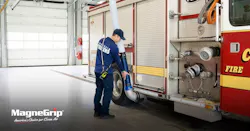

For fire departments with critical equipment needs and limited capital budgets, grant funding can make a healthier station possible. But grants like FEMA's Assistance to Firefighters Grant (AFG) program are highly competitive. For example, FEMA anticipates 8,000 to 10,000 applications and funding for approximately 2,000 awards - meaning only about 20% to 25% of anticipated applicants could receive an award.
Improving those odds starts well before an application window opens. A department must identify an eligible funding opportunity, document a clearly defined need, establish project goals, gather supporting data, develop accurate specifications and costs, prepare a persuasive narrative, confirm its required cost share, and meet every submission requirement and deadline.
That preparation is especially important when the project is intended to protect firefighters from airborne toxins inside the station. Diesel apparatus exhaust can introduce hazardous gases and fine particulate matter into occupied areas, making source-capture exhaust removal, air purification and air-quality monitoring important investments in firefighter health.
The Grant Process: From Need to Installation
MagneGrip's free Grant Guide breaks the process into practical stages so departments can begin planning early and keep the project moving after an award:
- Define the need and project scope. Evaluate current conditions, identify exposure risks, determine which vehicles and station areas must be addressed, and establish measurable health and operational goals.
- Build the project plan and preliminary budget. Work with qualified vendors to develop equipment recommendations, specifications, drawings and a realistic budgetary estimate, including installation and any required local cost share.
- Identify the right grant opportunity. Confirm that the department and project are eligible, understand program priorities and scoring criteria, and collect the registrations and documentation required to apply.
- Develop and review the application. Connect the department's documented need to the grant's priorities, support the request with relevant data, reconcile every quantity and cost, proofread the narrative, and submit all required materials before the deadline.
- Prepare for post-award requirements. An award may trigger additional steps, including FEMA's Environmental Planning and Historic Preservation review, before funds can be released or work can begin.
- Complete procurement and installation. Follow the department's purchasing procedures, confirm final pricing, place the order, and coordinate manufacturing, delivery and turnkey installation.
Because each stage depends on the one before it, waiting until an application opens can leave too little time to document the need, obtain accurate pricing and assemble a compelling request. Early planning helps prevent inconsistencies, missed requirements and avoidable delays.
Improve Your Chances with No-Cost Grant Assistance
MagneGrip offers No-Cost Grant Assistance to help fire and EMS departments navigate the process with expert advice. Departments can receive help researching potential grants, reviewing application requirements, strengthening the project plan and narrative, and assembling the system information, needs survey, engineering specifications, drawings and budgetary quote needed to support a well-prepared funding request.
Download the Free MagneGrip Grant Guide
The free Grant Guide provides a step-by-step overview of the grant purchasing process - from initial planning and application submission through post-award review, procurement and installation. Download the Free Grant Guide and request No-Cost Grant Assistance at https://magnegrip.com/.
Turn Grant Funding into a Healthier Fire Station
Securing funding is not the end goal. The goal is to put effective protection in place so firefighters can work, train and recover in cleaner station air. MagneGrip's Complete Clean Air Solutions address airborne toxins at multiple points by combining:
- Source-capture exhaust removal systems that connect directly to apparatus tailpipes and remove diesel exhaust before it spreads through the station.
- AirHAWK air purification systems that help capture and neutralize airborne contaminants that may remain in occupied spaces.
- Real-time air-quality monitoring that gives departments greater visibility into station conditions and system performance.
With early planning, a well-supported application and expert guidance, grant funding can help departments move from recognizing an exposure risk to installing a complete solution that better protects their crews.
Download MagneGrip's free Grant Guide or request No-Cost Grant Assistance at magnegrip.com/no-cost-grant-assistance-consultation. For more information about MagneGrip products, visit magnegrip.com or call 800-875-5440.