AFG Grant Assistance: Prepare Before the Application Opens
Key Highlights
- Competitive Funding: Only 20–25% of anticipated AFG applicants may receive grant awards.
- Early Preparation Matters: Define project needs, equipment specifications and budgets before applications open.
- No-Cost Grant Assistance: MagneGrip helps departments navigate funding opportunities and prepare stronger applications.
- Complete Clean Air Solutions: Integrated technologies help reduce firefighter exposure to airborne contaminants.
FEMA anticipates 8,000 to 10,000 applications during each Assistance to Firefighters Grant (AFG) application period, with funding available for approximately 2,000 awards. That means only about 20% to 25% of anticipated applicants could receive an award. With funding limited and applications evaluated against FEMA priorities, departments should begin preparing well before the next application window opens.
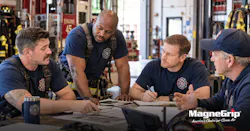
A competitive application requires more than identifying a need. Departments must define the proposed project, explain how it addresses operational or safety needs, develop a detailed budget and complete the required application narratives. For station air quality improvements, this includes documenting exposure concerns, identifying appropriate equipment, establishing project specifications and preliminary costs, and determining the department’s required cost share. Preparing these details early gives departments more time to develop their requests and address grant requirements.
Get Your Project Grant-Ready
MagneGrip provides no-cost grant assistance to help fire and EMS departments prepare technical project information before funding deadlines. Support includes needs assessments and eligibility reviews, grant research and application guidance, engineering specifications and budgetary quotes, and discounted grant writing.
For departments pursuing funding for station air quality improvements, this preparation helps connect a documented exposure concern with a defined project, specified equipment and a documented budget.
From Grant Funding to a Healthier Station
Securing funding is not the end goal. The goal is to put effective protection in place so firefighters can work, train and recover in cleaner station air. MagneGrip's Complete Clean Air Solutions address airborne toxins at multiple points by combining:
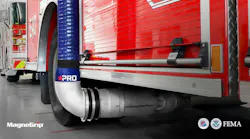
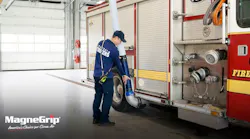
- Source-capture exhaust removal systems that connect directly to apparatus tailpipes and remove diesel exhaust before it spreads through the station.
- AirHAWK air purification systems that help capture and neutralize airborne contaminants that may remain in occupied spaces.
- Real-time air-quality monitoring that gives departments greater visibility into station conditions and system performance.
Together, these technologies address airborne contaminants at different points within the fire station, from exhaust generation at the apparatus to contaminants that remain in occupied spaces.
Get No-Cost Grant Assistance
With early planning, a well-supported application and expert guidance, grant funding can help departments move from recognizing an exposure risk to installing a complete solution that better protects their crews. MagneGrip helps fire and EMS departments research potential funding opportunities and maintain contact with your department as fire grants are pursued until a suitable grant is found.
For more information or to get no-cost grant assistance, visit magnegrip.com/no-cost-grant-assistance or call 800-875-5440.
About MagneGrip
Since 1975, MagneGrip has helped fire departments improve station air quality through source-capture exhaust removal systems, AirHAWK air purification systems and Complete Clean Air Solutions. By combining exhaust removal, air purification and real-time air quality monitoring, MagneGrip helps departments reduce diesel exhaust exposure and support healthier fire station environments.