Stop Buying Features. Start Buying Back Firefighters' Time
Key Highlights
- Fire service technology should eliminate work, not simply digitize existing tasks.
- Departments should evaluate technology by the time it gives firefighters back.
- Duplicate entry and disconnected systems quietly consume valuable operational hours.
- Better technology should fit firefighter workflows instead of adding administrative steps.
- Time saved means more capacity for training, readiness, and community service.
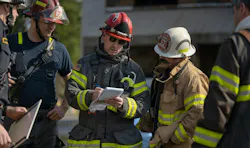

The next generation of fire service technology should not be measured by how many features it adds, but by how much time it gives back. Firefighters and fire departments are being asked to balance an increasingly complex set of responsivities: answering the needs of their communities, maintaining operational readiness, improving response performance, meeting reporting and documentation requirements, managing apparatus and equipment, and completing the daily work that keeps an agency prepared for the next call. Technology should help create capacity for that work instead of becoming another demand on it.
For years, technology conversations have largely centered on capability. What can a platform do, how many functions can it support, and how much data does it capture? Those questions still matter, but the need remains equally focused on what technology eliminates. Does it remove duplicate entry? Does it connect information that already exists? Does it reduce the number of systems a firefighter has to navigate? Most importantly, does it make the work surrounding the job easier so firefighters can spend more time doing the job itself?
Because digitizing a process is not the same as improving it. Agencies can replace a paper form with a screen, meeting NERIS and NEMSIS requirements to check a box, add another platform or introduce another feature and still leave the firefighter doing just as much work as before. As the fire service continues to invest in technology, I believe the standard should be higher: stop buying features simply because they are available and start investing in technology that meaningfully buys firefighters’ time back.
Time Should Be Part of the ROI
Fire service leaders routinely evaluate technology based on price, functionality, reliability and compliance. Another thing that should be added to that list is time: how long does it take a firefighter to complete documentation after a call? How often is the same information entered into different systems? How many places does an officer have to look to understand whether an apparatus, piece of equipment or crew is ready? How much time does department leadership spend gathering information that has already been documented elsewhere?
One extra step might seem insignificant. Multiply that step across every call, every apparatus, every shift and every member of a department, and it becomes something much larger. That's time that can't be spent training, preplanning, checking equipment, mentoring newer first responders or engaging with the community. The goal shouldn't be eliminating documentation. Accurate records, inspections and reporting are essential. The goal should be to eliminate unnecessary effort surrounding them.
Technology Should Ask Less of First Responders
The best technology doesn't require first responders to adapt their work around the software. It adapts to how the department operates and improves that workflow. Which doesn’t have to be as complicated as it sounds.
If information already exists, a firefighter shouldn't have to enter it again. If two systems need the same information, departments should ask whether those systems can communicate. If a routine task can be automated without removing human judgment where it matters, it should be considered. If completing an everyday process requires extensive training just to understand the software, that deserves attention too.
As the fire service modernizes its reporting and operational systems, we have an opportunity to rethink more than how information is collected. We can think about how information moves through a department and how many times a person must touch it along the way. The objective isn't technology for technology's sake, its reducing friction between the firefighter and the work that needs to get done.
Saving Time Matters For Every Department
This conversation is particularly important for small, rural, combination, and volunteer departments. A large department may have personnel dedicated to administration, technology or data management. In small or volunteer departments, one person may fill several roles. The chief may also be responsible for training, reporting, budgeting, staffing and responding to calls. Volunteer members may be completing department responsibilities around full-time jobs and family commitments. In those environments, administrative time isn't an unlimited resource.
Technology designed for the fire service should recognize that reality. More capabilities aren't inherently better if they create complexity that a department doesn't need or doesn't have the personnel to manage. The right question isn't whether a department has access to the most features. It's whether the tools it has make the department more capable with the people and resources already available.
Ask What You're Getting Back
We know technology will continue to play a larger role in the fire service, and that creates an opportunity to be more intentional about what we ask it to accomplish. The measure of progress shouldn't be how many systems or capabilities we can introduce, but whether they make the department better equipped to serve its people and its community.
As departments evaluate their next technology investment, the conversation should extend beyond features, functionality and cost and instead ask what you're getting back. Is it greater visibility? Better preparedness? More confidence in the information available to your crews? More capacity to focus on the responsibilities that require their experience and judgment?
This philosophy is a big part of why we built Emergent. From the beginning, we have worked directly with public safety agencies to understand what happens in the field, not just what a process looks like on paper.
That feedback doesn't stop once a feature is launched. We continually listen to the departments using Emergent and incorporate what we learn into where we go next. Sometimes that means taking more time to develop something because we want to get it right rather than simply pushing out another feature. Our goal has never been to build software for the sake of building software. It's to build tools alongside the fire service that solve real problems and make the work easier for the people doing it.
Technology can't replace the work our first responders do, nor should it try to. Its value is in supporting that work. The best technology doesn't demand more from firefighters, it gives them more capacity to do what only they can do.