Lessons from Decades of Fire Station Design
Key Takeaways
- Experienced designers share pivotal career moments that shaped their approach to fire station architecture, emphasizing sustainability, health, and innovation.
- Future trends include integrating AI, renewable energy, and resilient design principles to adapt to climate change and technological shifts.
- Emerging visualization tools like VR and AR are enhancing communication, transparency, and community understanding of fire station projects.
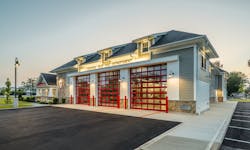
In an industry where safety and innovation consistently intersect, having a team of designers who prioritize a forward-thinking approach to the design of new facilities is key.
From seasoned professionals with decades of industry experience to rising talents offering fresh perspectives, designers frequently reflect on two key questions when looking inward:
- What is a pivotal moment in your career, and what did you learn from it?
- What do you see as the most influential aspect of fire station design moving forward?
Our team of design professionals from H2M architects + engineers responded to these pivotal questions, revealing how collaboration, creativity, and a commitment to safeguarding how communities influence each perspective. While each response reflects a unique perspective, the analysis provides valuable insight drawn from decades of collective fire station design experience and highlights the decision-making strategies utilized by design professionals.
Market Advisor Dennis Ross, AIA
Industry Experience: 45 Years
In the mid-1980s, the firm in Denver, CO, I was working for landed a new fire station project. I was appointed as the project architect and led the design team. The owner was interested in energy savings, sustainable design, and wanted ideas that could be incorporated into their new station design.
We proposed a Trombe wall, a passive solar design feature, named after inventor Félix Trombe. It uses a thick, dark-colored masonry wall behind glass with an air gap to absorb the sun's heat during the day and slowly release it into a building at night, reducing heating costs by providing natural, steady warmth without mechanical parts. This thermal mass wall captures solar energy, stores and then radiates it into the interior space, offering an eco-friendly, low-maintenance way to maintain comfortable indoor temperatures.
In the years that followed the construction and proper functioning of this passive solar feature, I have strived to promote and create sustainable projects and designs. In addition to sustainable design, my current firm and many of our public safety clients strive for health and well-being through sustainability and biophilic design principles. I try to stay abreast of current trends and regulations that promote these principles and pass that knowledge on to other members of our design teams.
Owners, municipalities, and associations recognize the importance of the many aspects of health and well-being of all public safety responders and our ability as designers to incorporate these aspects into designs. It’s a powerful tool for the good of everyone involved.
Market Director Patrick Stone, R.A., LEED AP
Industry Experience: 18 Years
One of the most pivotal moments in my career came when I attended my first national fire service and design conference. After spending several years on the fireground and years designing stations, I suddenly found myself surrounded by firefighters, architects, chiefs, engineers, and vendors who all shared the same mission: creating safer, more efficient environments for first responders.
For the first time, my dual perspectives, as a firefighter and as an architect, felt not only valuable, but essential. Hearing others speak passionately about operational needs, wellness, building performance, and long‑term resilience validated the work I do and pushed me to think even more holistically about station design.
That experience broadened my understanding of how deeply our built environment affects safety, readiness, and culture. The relationships and collaboration that grew out of that moment have driven me to design with even greater purpose and to continue advocating for the needs of the fire service.
I believe the most influential force shaping our industry moving forward will be the rapidly changing world around us. New technologies — especially AI, battery energy storage systems (BESS), and emerging utility infrastructure — are already redefining how we operate, respond, and design our facilities. As fire stations evolve into more electrified, fossil‑fuel‑free, high‑performance buildings, we’ll need to rethink everything from apparatus bay ventilation to power redundancy and operational continuity.
At the same time, the realities of a changing climate are fundamentally altering our risk environment. More frequent extreme weather events, wildfires, and infrastructure vulnerabilities demand that stations be designed for greater resilience, adaptability, and community support during disasters.
The convergence of these factors means our industry must embrace innovation while staying grounded in the operational needs of firefighters. The departments and designers who can integrate technology, sustainability, and resiliency will shape the next generation of the fire service.
Project Architect Rachael Grodzki, R.A.
Industry Experience: 9.5 Years
A pivotal moment in my career came when I transitioned from working on isolated elements of building construction detailing to being involved in projects from initial conception through completion. Early on, my work was focused on specific technical components, but gaining the opportunity to collaborate with stakeholders from the earliest phases completely reshaped my understanding of architecture.
Being part of the process — from listening to clients articulate their needs, translating their program into a functional and thoughtful design, guiding the project through construction, and ultimately standing alongside them at the ribbon cutting — underscored the full impact of our work. Watching a building become occupied and actively serve its purpose reinforced that my responsibility carries beyond drawings and details.
Each grand opening serves as a powerful reminder of the communities these buildings support and the meaningful difference they make in people’s lives. This experience taught me the importance of seeing projects holistically and remaining grounded in the human impact of the built environment throughout every phase of design and construction.
While advancements in construction technology and the firematic industry will continue to shape how buildings are designed and built, I believe the most influential force moving the industry forward will be scientific research focused on health and well-being. As our understanding of the physical and mental impacts of the profession evolves, building design must respond accordingly.
Ongoing research — much of it stemming from long-term health studies following Ground Zero — has brought critical attention to occupational cancer risks and mental health challenges faced by first responders. These findings have elevated the importance of design strategies centered on cancer prevention, contaminant control, and spaces that support both physical recovery and mental resilience.
As a result, fire station design is increasingly defined by how effectively it supports those who dedicate their lives to protecting their communities. Moving forward, integrating evidence-based health and wellness principles into the built environment will continue to influence standards, technologies, and expectations across the industry, ensuring facilities not only function efficiently, but actively contribute to the long-term well-being of their occupants.
Staff Designer Aubrey Dunn, Assoc. AIA, LEED Green Assoc.
Industry Experience: 3 Years
Learning the fundamentals of design is challenging on its own, let alone within a highly specialized typology like fire stations. Balancing design principles such as function and form with the critical, real-world needs of first responders is a responsibility that extends far beyond the building itself and into the communities it serves.
Individual governing bodies have their own operational nuances, subcultures, and unique challenges that must be thoughtfully integrated into the design process. Efficiency, response time, equity, and above all, the health and safety of first responders drive every design decision.
Rather than a single defining moment, my growth at H2M has come through continuous learning, collaboration, and listening to colleagues and clients. Public safety design demands humility, adaptability, and a willingness to learn. It is a discipline where experience compounds and improvement comes not from mastery, but from remaining attentive to the people and communities we are entrusted to serve.
As a recent graduate, I have had the opportunity to use various rendering software as tools for architectural visualization. In government work, clear visuals are critical for communicating intent and building public support during a bond vote. By illustrating how a project will function, feel, and serve its community, visualization fosters engagement, transparency, and trust long before construction begins.
Our industry’s work already exists in a virtual environment and the next critical step is strengthening the connection between our digital designs and their anticipated built reality. As visualization continues to evolve, emerging tools such as AI and VR/AR offer powerful opportunities to further close the gap between digital design and built reality, making complex projects more accessible, understandable, and meaningful to the communities they serve.
About the Author
 Patrick O. Stone
Patrick O. Stone
Patrick O. Stone, RA, LEED AP, is the director of the public safety market at H2M architects + engineers. He has 17 years of experience in the design of emergency service and public safety facilities and 19 years of service as a volunteer firefighter at two Long Island, NY, fire departments. Stone is responsible for overseeing H2M’s specialized team of experts and uses his firefighting experience to enhance the facilities that he designs to integrate best practices and the latest trends. He is a regular speaker at national symposia and was published on a variety of station design trends.