HVAC 201: Keeping Fire Station System Designs Moving as Codes, Systems Evolve
Key Takeaways
- HVAC system selection for fire stations depends on project-specific variables including climate, utility availability, and aesthetic considerations.
- Transition to newer A2L refrigerants introduces new safety and design requirements, impacting piping, ventilation, with the possible need for atmospheric monitors and system layout early in the design process.
- Climate significantly influences HVAC choices; cold regions may require boilers, while milder climates benefit from heat pumps for efficiency.
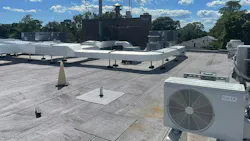
Last year, we explored the fundamentals of HVAC selection for fire stations. This article included traditional system types, newer variable refrigerant flow (VRF) options, and the many project-specific variables that influence performance, comfort, efficiency, and cost. Those considerations remain crucial, however, the conversation has continued to evolve. As refrigerant regulations change, heat pump technologies advance, and stations continue to balance aesthetics with long-term functionality, HVAC design is becoming even more dependent on early coordination and informed decision-making.
As emphasized in our previous article, there is no one-size-fits-all HVAC solution for every station. A constant air volume rooftop unit, heat pump split system with a dedicated outdoor air system, boiler plant, evaporative cooling system, VRF heat recovery system, and hybrid approach can all make sense depending on the facility’s needs.
The right choice must support the comfort and safety of first responders while accounting for budget, available utilities, climate, building envelope requirements, maintenance, available space, aesthetics, zoning, and recovery time after apparatus bay doors open and close.
New refrigerants bring new design responsibilities
How do new refrigerants and codes factor into this decision-making process?
One of the most significant developments affecting HVAC design today is the industry’s transition to A2L refrigerants. In many new systems, including VRF options, new codes require manufacturers to move away from older refrigerants and toward A2L. These refrigerants support broader environmental goals, but they also introduce new code-driven safety considerations.
For engineers, this means refrigerant selection can no longer be treated as a background manufacturer decision. It can influence pipe routing, ventilation, detection, controls, equipment layout, commissioning, and coordination with architectural spaces. Depending on the system and the way refrigerant piping is distributed, projects may require gas detection, refrigerant shutoff valves, or ventilation strategies for enclosed shafts and other areas where refrigerant piping or components are located. In some cases, exceptions or alternate compliance approaches may apply, but these considerations must be evaluated early rather than addressed late in design, as they can have considerable spatial consequences.
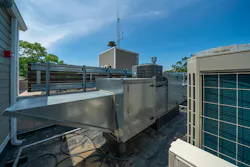
This is especially important for VRF heat recovery systems. Branch controllers, which have traditionally been associated with heat recovery configurations, are now playing an even more central role, functioning as part of the refrigerant safety strategy by helping isolate portions of a system when needed. As a result, design teams must think beyond heating and cooling capacity and consider where branch controllers are located, how they are accessed, how they interact with occupied spaces, and how the system will respond if a refrigerant leak is detected.
Climate still drives the right HVAC system choice
While heat pump and split system technologies have improved significantly, geography and climate remain key factors in HVAC selection. In milder climates, heat pump systems can offer efficient, flexible heating and cooling with reduced reliance on fossil fuels. However, in extremely cold regions where temperatures may drop to minus 20 or minus 30 degrees, a boiler system may still be the more dependable choice. The question is not simply whether a system is modern or efficient on paper, but whether it can reliably serve the building under the extreme weather conditions it may face.
For fire stations, this reliability is especially important. Apparatus bays, living quarters, administrative areas, training rooms, and support spaces each have different comfort and operational needs. A station in a cold-weather region with frequent calls may lose large amounts of heat each time bay doors open, making recovery time and heating capacity critical. A station in a warmer, or more humid climate may prioritize dehumidification, ventilation, and cooling efficiency. These geoclimatic considerations should help shape the system selection from the beginning.
Early engineering input prevents late design challenges
Today’s HVAC decisions touch so many parts of a project, so engineers should be brought into the process as early as possible. A new facility or renovated station needs to look great, but it also needs to function properly while meeting current codes, comfortably supporting its occupants, and accommodating the infrastructure required for the selected system. Early engineering involvement helps the team define boundary conditions, understand owner expectations, identify code implications, and avoid being forced into reactive decisions after major architectural layouts are already established.
This process often begins with asking the right questions:
- What spaces need independent temperature control?
- Are there areas with higher ventilation needs?
- How much space can we dedicate to ductwork in a given area?
- Is the owner prioritizing cost, aesthetics, sustainability, or ease of maintenance?
By discussing these questions with the owner, architect, and engineering team early, system selection becomes more intentional and less disruptive.
Choosing an HVAC system type is often one of the most difficult decisions of the process. Once that decision is made, however, coordination becomes much smoother between the architecture and engineering teams. Ductwork, refrigerant piping, shaft locations, ceiling heights, ventilation requirements, and controls can all affect the building layout. When those conversations happen in real time between collaborative disciplines, potential conflicts are easier to identify and resolve before they affect schedule, cost, or construction.
Conclusion
As HVAC systems become more advanced and code requirements continue to evolve, successful station design becomes increasingly less trivial. It requires a coordinated approach that considers comfort, safety, climate, operations, compliance, maintenance, aesthetics, and long-term performance. For fire stations, where first responders depend on building systems that provide reliable comfortability 24/7, that level of coordination is essential.
Fire department personnel carry significant responsibilities, from daily operations and emergency response to helping guide critical design decisions for their facilities. Engaging architects and engineers early in the process can help ease that burden by translating operational needs into practical design solutions, ensuring the station looks and functions as intended while remaining adaptable as codes and technologies continue to evolve.
About the Author
 Joseph E. Balicki
Joseph E. Balicki
Joseph E. Balicki, P.E., is a Mechanical Engineer at H2M architects + engineers. His responsibilities include the calculation of building heating and cooling loads, selection of HVAC equipment, VRF system design, oil/water separator design, gas design, ductwork systems, drafting in AutoCAD, and building modeling in Revit. Additional responsibilities include shop drawing, submittal review, and coordination with other trades. Balicki's project experience includes large and small scale assisted living facilities, school buildings, office spaces, historic sites, new construction, and renovations.
 Patrick O. Stone
Patrick O. Stone
Patrick O. Stone, RA, LEED AP, is the director of the public safety market at H2M architects + engineers. He has 17 years of experience in the design of emergency service and public safety facilities and 19 years of service as a volunteer firefighter at two Long Island, NY, fire departments. Stone is responsible for overseeing H2M’s specialized team of experts and uses his firefighting experience to enhance the facilities that he designs to integrate best practices and the latest trends. He is a regular speaker at national symposia and was published on a variety of station design trends.