Study: More Dispatchers Will Cut IL Firefighters' Response Time
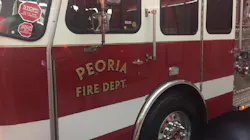
PEORIA, IL —Adding more dispatchers and switching how they assess medical emergencies could allow the city to absorb possible cuts in staffing without anyone really noticing.
That's the message from Fitch & Associates, a Missouri-based consulting company hired by the city to assess the Peoria Fire Department's response times and how to navigate tough times while not reducing service to Peoria residents.
Fitch consultants say hiring 12 dispatchers and call takers would reduce the time a 9-1-1 call would take to go out to the fire department or to Advanced Medical Transport, the private ambulance service that covers the city.
Last March, the consultants told City Hall the fire department shouldn't go out on as many "low-priority calls," such as falls or basic life support. Instead, they recommended overhauling the dispatch center by installing new software and hiring more staff. Currently, officials say it's hard to get enough information from a non-medically trained person who is in the midst of a crisis to make the distinction on whether advanced or basic life support is needed.
The city now uses a two-tiered response for all medical calls whereby the fire department is usually sent first to the scene, with AMT following an average of less than two minutes later. Council members, tasked with trying to hold costs in an ever-increasing budget, have shut down fire trucks, reduced staff through attrition and now hired consultants to find the best way to maintain the same level of service at a lower cost to taxpayers
Switching to a more advanced software system that will allow dispatchers to categorize calls faster could, in theory, mean that either AMT or the fire department is sent out faster than they are now, even with less equipment at the fire department. One of the consultants said the city should save its most valuable resource — the paramedic at the station — for its most serious emergencies.
Peoria Fire Chief Tony Ardis said the study didn't appear to change how things were currently, as firefighters are often first on the scene. He stressed the strong partnership between AMT and the fire department, saying it didn't matter who did what as long as the patient was cared for.
Councilman Chuck Grayeb said he didn't trust the study, saying he believed that people were too focused on eliminating redundancy and were missing the overall picture.
"I don't trust this at all. Our number one priority is public safety. This obsession with redundancy could result in people dying," he said, noting there was a tremendous amount of pressure put on the dispatchers, who are leaving at a 40% attrition rate.
But David Tuttle, the head of the 9-1-1 center, said the system that Fitch wanted the city to use is already being used. The change would come in the software but not the classification of emergencies or the decisions the dispatchers make.
Unlike what is common thinking, the Fitch consultants said there isn't a great deal of benefit in the majority of calls for advanced life support. Even gunshot victims are better served in a "load and go" situation, where they are rushed to the hospital.
Given that, one of the proposals was to have AMT put basic life support ambulances on the street. They would respond more to more simple calls such as falls, broken arms and other things. The company's medical director, George Hevesy, said the company is very interested in doing that, saying they want to send the right resources to the right call.
If that was done, the theory goes, firefighters who are more spread out and therefore better able to respond on a second's notice to more serious trauma and advanced life support issues like heart attacks could respond with its paramedics. AMT would then back up with its ambulances for transport.
Fitch also recommended altering an agreement between City Hall and AMT that requires less than nine minutes for a response time. The consultants said that could be higher in some cases. AMT CEO Andrew Rand declined to comment on such matters during the meeting when asked by a council member, saying it was more appropriate to discuss those privately.
The study was based upon data from 2017 that showed 27,000 emergency calls handled by the department. Of that number, 22,700 were medical emergencies, and the vast majority of those were lower priority calls.
Tucked into the study are suggestions to close up to six firehouses, but officials from both the city and the fire department both privately say that's a non-starter. The idea is to keep the staffing levels as they are and not run firefighters ragged.
———
©2020 the Journal Star (Peoria, Ill.)
Visit the Journal Star (Peoria, Ill.) at www.PJStar.com
Distributed by Tribune Content Agency, LLC.