The Importance of Fire Station Alerting Integration Early in the Design Process
Key Highlights
- Early integration of station alerting systems in fire station design maximizes benefits, reduces construction delays, and minimizes costly change orders.
- Investing in futureproofing measures allows fire departments to adapt to evolving technologies and advanced communication systems.
- Station alerting systems play a vital role in enhancing firefighter health by providing less intrusive notifications, such as vibrations and graduated lighting.
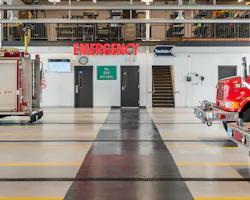
When designing a new fire station, few objectives are as crucial as reducing response times, ensuring the well-being of first responders, and ultimately protecting your community. Among the features that contribute to these goals, fire station alerting systems stand out as a critical element in achieving success in turnout and response time.
Alerting systems are specialized technologies that are intended to quickly notify first responders of a call. Alerting can be done in a variety of ways, often including audio or visual cues throughout the station itself. Newer technology has begun to emerge that incorporates wearable alerting devices that provide personalized notifications to specific staff or personnel in addition to the hard-wired devices.
While station alerting isn’t a new concept, updated technology, such as the wearable devices, is a wellness-focused option that that should be considered for replacing the traditional “bell system,” which would abruptly awaken the entire station and possibly even parts of the surrounding community.
As designers consider these various options, we are also seeing the trend of station alerting system vendors being engaged too late in the station design process. This can complicate the construction process, cause costly change order requests, and ultimately cost your fire department more money. Integrating these systems into the station’s design early — rather than waiting until the construction phase — should be a top priority for any fire department looking to utilize an alerting system.
Early integration and cost considerations
New fire stations are being thoughtfully designed with modern technologies and strategies that enhance training, boost resiliency, and support recruitment and retention efforts. When determining the feasibility of a new station, all key factors must be considered. Does your station require drive-thru bays to facilitate large apparatus? Will your station need space for future EMS integration? How much space will you require for decontamination features?
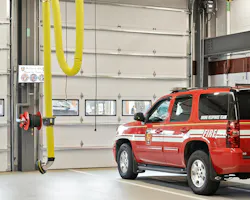
The same thoughtful consideration should be given to station alerting. Integrating station alerting early in the design process helps maximize the system’s benefits. These systems positively impact two key areas that every department is looking to strengthen: response times and the health and well-being of firefighters. Given the significant impact of these systems, their inclusion should be prioritized during the initial planning stages.
Investing in features that aren’t as immediately noticeable as other amenities can be difficult to justify, especially when the associated costs are high. Fortunately, fire station alerting systems come in a range of options. Basic alerting systems can cost upwards of $50,000. For stations seeking individualized bunk room lighting, gradually ramping tones, zoned alerting, and other premium features, the cost can be upwards of $200,000 or more.
While these costs may seem daunting, it’s important to remember that station alerting is a relatively small investment in the context of the overall project cost. Delaying or deferring this essential component can lead to greater costs in the long run and can cause construction delays if added later in the process.
Futureproofing and retrofitting options
It is beneficial to consider your station alerting options early in the process, even if you aren’t committed to installing a detailed system from day one. These early discussions enable you to incorporate futureproofing measures into the station’s design.
Futureproofing is a proactive strategy that allows departments to keep up with an evolving industry by designing with long-term functionality in mind. As Rachael Grodzki wrote in a recent Firehouse.com article, “As fire departments evolve and the operations of these facilities grow, it becomes essential to think beyond immediate needs.”
Futureproofing is commonly associated with interior renovations or even larger scale additions and it is equally relevant to the integration of a more advanced alerting system. As the fire service continues to evolve toward technology-based equipment and artificial intelligence, it is key that your station is designed to integrate this technology, even if your department isn’t currently ready to make the transition. This often looks like choosing non-proprietary systems, and ensuring preliminary locations are selected for speakers and future specialty lighting so that conduit can be put in place for future use.
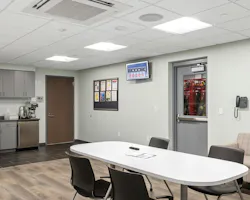
Existing stations aiming to upgrade outdated or obsolete systems can also be retrofitted with the necessary infrastructure (such as wiring, conduit, and lighting) to support the integration of a modern alerting system. Design professionals and station alerting vendors are often experienced in these retrofits, so departments with older alerting equipment should not feel intimidated by design or budget.
Impact on health and wellbeing
Station alerting isn’t simply about improving response time. It also plays a pivotal role in improving the health and well-being of first responders.
Modern alerting systems provide a variety of features focused on improving health and sleep, including individualized graduated lighting, progressive tones, and zoned alerting to wake up specific of the station without interfering with other crews who are not needed for a specific call.
Station alerting systems also use wearable devices that can alert in a less intrusive way, such as soft vibrations to inform first responders of a call. This differs greatly from the traditional loud siren alerting that would startle firefighters, heighten their stress levels, and disturb everyone in the station.
The negative impact of loud, sudden sounds recently led the National Fire Protection Association (NFPA) to incorporate a section in the NFPA 1550, Standard for Emergency Responder Health and Safety, on station alerting and modernizing stations to reduce physiological stress it may cause.
Sleep deprivation and stress associated with station alerting are among the key issues facing first responders, and advances in alerting systems are helping address these challenges.
Conclusion
Ultimately, station alerting systems help improve response times and first responder health and well-being, demonstrating their substantial value to your department.
Integrating these systems early in the design process helps to determine the best fit for your specific needs, avoids unnecessary change orders later in the process, and prepares your station and first responders for future success.
By thoughtfully integrating station alerting, you can strike a comfortable balance between supporting the health and wellbeing of your first responders and ensuring fast response times, which ultimately helps deliver the highest quality service to your community.
About the Author
 Aubrey Dunn
Aubrey Dunn
Aubrey Dunn, Assoc. AIA, LEED Green Assoc., is a staff designer at H2M architects + engineers with experience in the planning and design of municipal and public safety facilities. Her responsibilities include project management, drafting, developing renderings, and construction administration. Dunn is also skilled in the use of Revit.