Generation Z: The New Kids in the Ambulance
Key Takeaways
- Misinterpretation of the traits of Gen Z can prompt EMS agencies/companies to undervalue the numerous ways that these individuals can contribute.
- A perspective of Gen Z as "entitled" does an injustice to so many of these individuals, in whom, simply, an expectation of respect and an opportunity for their input to be valued is ingrained, which are worthy components of EMS services.
- The incorrect stereotype about Gen Zers that they're "lazy" is rooted partly in older generations' misunderstanding of these younger individuals' familiarity and savviness with technology as an aid in the problem-solving process, which is and will be even more important to EMS.
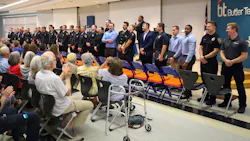
Generation Z firefighters, EMTs and paramedics are the next in line of the multiple generations that have served the community. Many of these young adults are part of the large hiring class that U.S. EMS systems are seeing apply. The oldest of these individuals range from 18–29 years old and are coming to the service with little to no prior EMS experience.
This group of new first responders is unique to the previous generations that make up most of today’s current EMS system. According to Roberta Katz in Stanford Report, a typical Gen Zer “is a self-driver who deeply cares about others; strives for a diverse community; is highly collaborative and social; [and] values flexibility, relevance and nonhierarchical leadership.”
Because millennial parents raised Gen Z, it makes sense why so many of the generational characteristics of millennials and Gen Z are similar. However, Gen Z is stereotyped as much as previous generations were when they entered the workforce. Common stereotypes of Gen Z include entitlement, laziness, technology obsession, impatience and not having the necessary experience.
How do Gen Zers who are entering the workforce connect to the world of EMS?
Gen Z & EMS
EMS is a world of problem-solving. Many of the patients that EMS providers see either are having the worst day of their life or are going through the worst time of their life. As a care provider, EMS providers are there to stop the patient from becoming worse and to be the steppingstone to recovery. EMS providers are the first step, the turning point and the light in, perhaps, their darkest moment. This requires them to care about their patients and their community—and themselves.
Typically, Gen Zers care about the community. They care about improving the lives of others and about having a healthy community. They also care about themselves through their mental and physical well-being. Gen Zers work well with others and value interpersonal connection. They also seek being valued in their team, their workplace and society. Given this, Gen Zers can be seen as adequate successors to the aging EMS system.
Gen Z & technology
EMS also is a world of technological advancement. We are starting to see what used to be an aged and underdeveloped technological career turn into a heavily technologically advanced environment. The advancements in every aspect of EMS have brought technology to the forefront of how patients are treated and add efficiency to the EMS provider’s job. What better group of individuals than Gen Z to handle the quick-developing field of EMS? Gen Zers have been technology-savvy their entire life. They grew up with smartphones, laptops and the dramatic changes of technology in so many aspects of their life. These individuals know how to operate technology with little to no instruction and how to utilize resources to get answers quickly and efficiently. Further, they will be able to adapt quickly to an already quickly evolving EMS system. Gen Zers always are looking to build efficiency into problem-solving.
Community diversity & nonbiased opinions
EMS also is built on nonbiased patient care that has the goal to treat everyone fairly and equally no matter their race, sex, national origin or ethnicity and to build a healthier community. The United States always has been a world example of immigration and cultural diversity, having been built from the start through immigration.
In EMS, every person is treated the same and isn’t defined by their differences. Typically, Gen Zers have core values of community diversity and nonbiased opinions and, as such, strive to understand people of different backgrounds and care for every person the same no matter that individual’s background. This is because Gen Z sees the value in a diverse community.
With all of this, one can say that Gen Z is one of the best incoming classes of first responders, fitting every emergency services system’s mission statement. However, there’s a lot of negativity against Gen Z.
Entitlement
One of Gen Z’s common stereotypes is entitlement. This comes from these individuals’ expectations of mutual respect, desire to be relevant and equality. However, the EMS system is built on tenure and earning one’s value in the system.
From early school age, Gen Zers have evolved to expect respect and their input valued and have been pushed to collaborate on equal levels—often misrepresented as entitlement.
‘Weak’
Another common stereotype is that Gen Z is weak and will crumble under adversity.
Typically, Gen Zers value peace and care, respect others and expect a world that looks at understanding problems through conversation. These individuals look to improve the world through discussion and collaboration.
Gen Z grew up during 9/11 and the global war on terror in Afghanistan and Iraq, and they have seen a Russian invasion of Ukraine. They’ve seen atrocities that are committed throughout the world and are moved deeply by them.
When Gen Zers aren’t permitted the ability to have conversations, to care and to respect, they react in a way, really, that every person can react: They lose drive. When this adversity isn’t handled well, it leads to decreased productivity. This perception of being weak and crumbling under adversity is a misunderstanding of their care and their expectation of respect.
‘Lazy’
Other common stereotypes are that Gen Z is lazy, technology obsessed and impatient.
Gen Zers grew up in a world that looked at ways to do things quicker and more efficiently. These individuals are part of the new influx of technological databases, artificial intelligence (AI) and the ability to consult resources whenever they encounter an issue that they don’t know much about.
Prior to the mid-to-late 2000s, there wasn’t the number of mass-produced smartphones that there are today. Prior to the creation of the World Wide Web and the first generations of home computers, people didn’t have easy access to the internet and the vast resources that it affords. Although AI was invented in the 1950s, it didn’t have a huge effect on the population until the late 2010s and early 2020s, when ChatGPT, Meta AI, Microsoft Copilot and other such platforms were released. This means that previous generations didn’t have the same level of access and familiarization with technology as Gen Zers do. These massive resources of information at our fingertips are welcomed and utilized by Gen Zers, to allow them to problem-solve more quickly than anyone in the history of mankind. Gen Zers have found ways to complete tasks more efficiently and effectively while also getting accurate answers that were unable to be reached previously.
The stereotypes of laziness, technology obsessed and impatience come from previous generations’ misunderstanding of Gen Z’s familiarity and savviness with technology in the problem-solving process.
Lack of experience
Another common stereotype is that Gen Z lacks the necessary experience. In regard to EMS, this can be refuted easily with answers to two simple questions: When did the previous generations enter EMS, and how did they gain the necessary experience to be an effective EMS provider? Every EMS provider must start somewhere and gain the necessary experience to be an effective care provider. Of course, new Gen Z members have little to no experience, but that overshadows the big picture. Gen Z exhibits eagerness to learn. Gen Zers know the value of their work and what they can provide to this developing career. Many Gen Zers want to be in the EMS system, because they know that it values what they value.
Breathing new life
What does it mean for EMS as Gen Z steps in to take over the current EMS system? It means that there’s new and different life being brought in. A quickly developing technological environment with aging members requires new members that will fill the void and the needs of the current system.
EMS systems that are looking for caring, respectful, thoughtful, technologically savvy and problem-solving individuals are in luck. This new generation will provide the much-needed human resource to make the EMS system better than it was yesterday and for it to have a brighter future for the next generation of EMS personnel.
About the Author
 Antonio DiTullio
Antonio DiTullio
Antonio DiTullio began his fire service career as a volunteer firefighter/EMT and advanced through part-time roles to become a career firefighter/paramedic for the Hamilton, OH, Fire Department. He holds an associate degree in paramedic management. As a younger member working alongside tenured and highly experienced professionals, DiTullio has intentionally sought mentorship from those around him, recognizing the value of experience and tradition within the fire service.