EFO Research Brief: Adapting How We Train Gen Z Firefighters
Key Takeaways
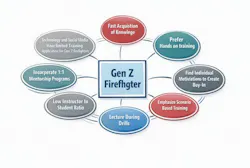
- Firefighters from Generation Z prefers interactive, hands-on, scenario-based training over traditional lecture methods to improve engagement and learning outcomes.
- Mentorship programs are vital for helping Gen Z firefighter recruits transition into the fire service, fostering a sense of belonging and professional growth.
- Fire departments must recognize and address generational differences to attract, train, and retain the next generation of emergency service professionals.
Editor's note: "EFO Research Brief" is a new collaboration between Firehouse.com and the National Fire Academy's Executive Fire Officer Program to highlight the research conducted by students. Each month, we will provide a summation brief of the student's final research capstone spanning multiple fire service topics.
The white paper 21st Century: Fire and Emergency Services identified several anticipated challenges in the fire service, highlighting a gap between traditional training methods and the learning preferences of Generation Z (Gen Z). Specifically, the paper notes two crucial areas for improvement: a lack of training in new approaches and techniques and an inability to adopt new technologies. As a new generation of individuals enter the fire service, it is essential to evolve training programs and delivery methods to engage Gen Z effectively.
This emergence of Gen Zers, born between approximately 1995 and 2012, marks a significant shift in the workforce, particularly regarding their learning styles, which are influenced by their extensive exposure to digital technology during their upbringing. As this cohort begins to enter the workforce as firefighters and EMTs, we must adapt our approach to training and onboarding to effectively support and develop these new employees.
Despite completing training academies and initial onboarding, some of these first-Generation Z employees face difficulties with driving apparatus, equipment operation, job comprehension, workplace hierarchy, and transitioning from technical college student to employee. These issues, which have not been as prevalent with prior generations—Generation Y and Generation X—suggest a need for enhanced support systems and training processes tailored to the specific needs of younger candidates. Addressing these challenges is vital, especially given the shrinking pool of qualified applicants, emphasizing the importance of refining training and onboarding practices to enhance employee retention.
Understanding Generation Z
Gen Z is characterized by their reliance on technology and social media as primary sources of information. Platforms such as YouTube, TikTok, Snapchat, and Instagram have shaped their information sources, suggesting a disconnect with older generations, notably Generation X, born between 1965 and 1980, who often serve as trainers and mentors. The generational divide in technological fluency poses challenges in delivering practical training, and the fire service must adapt to these changes or risk using obsolete teaching methods.
Gen Z faces unique hurdles as new firefighter recruits, including a lack of real-world experience that can be particularly problematic in a hands-on problem-solving field like emergency services. Due to a lack of experience, duties beyond direct fire suppression, such as maintenance and station duties, may need to be taught, as Gen Z may be less familiar due to their upbringing in a digital-first world. To prepare them adequately, training programs must address not only technical fire skills but also life skills that prepare them for the realities of the job.
The role of initial training
The training academy serves as a pivotal first impression for new recruits, instilling core values, knowledge, and skills needed for success in firefighting and emergency services. Engaging effectively with Gen Z during this phase can enhance retention and satisfaction within the fire service. Efforts to adapt training programs to align with how Gen Z learns—including hands-on, scenario-based techniques—can help bridge the learning style gap and engage recruits more meaningfully. Understanding their learning motivations and what they seek from a career in firefighting is fundamental to fostering a robust training environment.
Study to understand Gen Z's needs
For my EFO research capstone, I conducted a general qualitative research study investigated Gen Z's preferences in the fire service. Members of this generation who had undergone training in fire academies were interviewed. The objective was to identify their motivations, expectations, training adequacy, and teaching methods that may resonate more effectively with their learning styles.
The primary problem identified was the disconnect between traditional teaching methods (predominantly lecture-based) and Gen Z’s preferences for interactive, technology-enhanced learning experiences. This discrepancy can potentially hinder the recruitment and retention of younger firefighters.
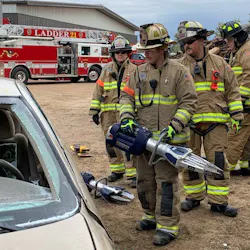
The study was driven by four key questions focused on Gen Z’s motivations to join the fire service, their preferred learning methods, how social media and technology can facilitate training, and effective processes during training academies:
- What motivates Gen Z to join the fire service?
- What are Gen Z’s preferred learning methods for fireground operations?
- How can fire departments utilize social media and new technologies to aid initial and ongoing training?
- What processes and techniques might be utilized during the fire academy and probationary period to enhance training and meet employee expectations?
Reviewing exsisting research
The literature review revealed generational distinctions. With its roots in traditional learning environments, Generation X finds comfort in lecture-style teaching. In contrast, Gen Z prefers problem-solving through real-world applications while emphasizing teamwork and interaction during the learning process.
Findings indicated that Gen Z values mentors—individuals who can guide them not only in technical skills but also in fostering their sense of belonging and understanding within the department. Mentorship emerges as a vital component for effective onboarding and integration, echoing earlier literature that found mentoring relationships substantially enhance training outcomes.
Research methodology
The general qualitative methodology used one-on-one interviews to collect data from 15 Generation Z participants from various fire departments. Each interview included questions that dug deeper into the four research questions, intending to gain insight into their experiences, preferences, and feedback about the training process. The interview responses were analyzed, resulting in several themes that may be applied to our training academies and onboarding processes.
Research conclusions
- Training preferences: Most participants strongly preferred hands-on, scenario-based training with small instructor-to-student ratios. They viewed traditional lectures and written assessments unfavorably, expressing a want for engagement over passive learning techniques.
- Technology utilization: While Gen Z has been labeled as digital natives, the study found limited technology integration in existing fire training programs. Notably, platforms like YouTube emerged as vital resources, while technologies like virtual reality (VR) have not been widely utilized despite their potential for immersive training experiences.
- Motivations: Participants conveyed a desire for impactful work, opportunities for career development, career progression, and a supportive work environment. The study reaffirms the importance of fostering a sense of belonging and camaraderie in shaping their motivations to continue in the fire service.
- Mentorship: Engaging mentors emerged as a significant factor, with participants noting its importance in personal and professional integration within the firefighting community. The resulting themes suggested that assigning formal mentors can enhance the transition from training to active duty.
Recommendations
- Adapt training programs: Fire service academies and onboarding programs should develop training modules integrating hands-on and scenario-based activities. Instructors should focus on providing real-world applications, thereby fostering engagement and better aligning with Gen Z’s preferred learning methods. Testing should be conducted through hands-on scenario-based activities instead of traditional pen and paper.
- Leverage technology: Departments should explore and utilize emerging technologies, such as VR, for training simulators, ensuring that new recruits are better prepared for real-life challenges.
- Promote mentorship: Establishing formal mentorship programs could bridge the experience gap faced by recruits, with guidance from seasoned firefighters helping them transition into the fire service.
- Continuous feedback: Constant feedback mechanisms will support learning and allow Gen Z recruits to understand their performance and areas for improvement throughout the training process, resulting in increased work efficiency. That communication goes a long way toward fulfilling Gen Z's job expectations.
Conclusion
This research highlights critical insights into Gen Z’s preferences and motivations regarding training within the fire service. As departments seek to attract new firefighters, addressing the educational methods used in training, integrating technology, and fostering meaningful relationships through mentoring are vital steps. As the fire service confronts changing societal dynamics and workforce challenges, adapting to these preferences may enhance recruitment and retention and ensure ongoing operational effectiveness. Supporting the unique needs of Gen Z will empower future generations of firefighters and enhance the services fire departments deliver.
EFO Research Briefs
- EFO Research Brief: Adapting How We Train Gen Z Firefighters
- EFO Research Brief: Identifying Competency Gaps in the Civil Service Promotional Process
- EFO Research Brief: Overcoming Barriers to Collaboration for Fire Protection
- EFO Research Brief: Retirement from the Fire Service and the Loss of Identity
- EFO Research Brief: The Role of Fire Chiefs in Community Risk Reduction Efforts
- EFO Research Brief: Why Vulnerability Is a Leadership Strength in the Fire Service
About the Author
 Eric A. Lang
Eric A. Lang
Eric A. Lang, EFO, NRP, serves as Deputy Fire Chief of Operations for the South Area Fire & Emergency Response (SAFER) District in central Wisconsin, where he provides executive leadership for fire suppression, EMS, technical rescue, training, and organizational development. With more than 29 years of experience in the fire and EMS profession, he is committed to advancing firefighter safety and training, operational effectiveness, and community risk reduction. Lang is a 2024 graduate of the National Fire Academy's Executive Fire Officer program and is a Wisconsin-licensed Critical Care Paramedic. He is currently pursuing a master’s degree in Fire Executive Leadership/Public Administration from Columbia Southern University, and has earned a bachelor’s degree in Fire Science from the University of Maryland Global Campus. His professional interests include innovative training practices, strategic planning, executive leadership, emergency services administration, firefighter health and safety, and the development of high-performing public safety organizations.