October 2022

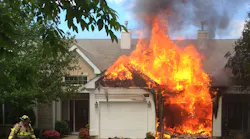
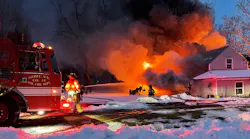
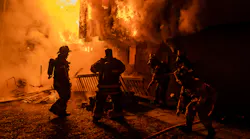
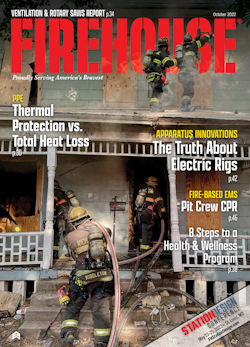
The October issue of Firehouse Magazine includes feature articles on why TPP and THL are important in PPE, new technology in chainsaws and circular saws, creating a health & wellness program for your department, electric apparatus, and Pit Crew CPR.

More content from October 2022

New Peter Matthews 631f372505726
Peter Matthews echoes many when he urges officers and members to extend their outreach to the community beyond one week per year.
Oct. 17, 2022
Cfsi Logo
National Fire and Emergency Services Symposium Date Set
Oct. 17, 2022
Evt Of The Year Logo
EVT of the Year Nominations
Oct. 17, 2022
Photo by Kenny Flynn
Ken Flynn 1 14 20 Hillcrest, Ny Fatal Fire Pic 4
Jim Reidy demystifies turnout gear thermal protective performance and total heat loss.
Oct. 17, 2022
Patrick Dooley
Patrick Dooley 6 8 22 Manchester, Ct Pic 3 (1)
Hot Shots includes a Manchester, CT, Fire Rescue using defensive operations due to heavy fire conditions. The second floor on the B/C side collapsed.
Oct. 17, 2022
Photo courtesy of Rosenbauer America

Rtx Gallery 15
Although rigs that forgo combustion-engine power don’t make sense for some departments for the time being, the fire service is on the road to the addition of the vehicles to many...
Oct. 17, 2022
Benmay 5e545b6c83b37
Ben May reminds members that an educational or community risk reduction initiative is just as much a source of pride as is a successful knockdown.
Oct. 17, 2022
Joh Salka 62f696654ddd5
John J. Salka Jr. provides important guidance that otherwise might elude new fire chiefs in their earliest days on the job.
Oct. 17, 2022
Photo by Jon Tenca
There can be numerous reasons to initiate a health and wellness program. Chief among those: improve personnel’s health to increase their ability to be physically prepared for what they confront on the fireground and improve behavioral well-being.
Gary Krichbaum provides a step-by-step approach to launching a system to nurture physical and mental well-being among members.
Oct. 17, 2022
Photo courtesy of Tempest Technology

Oct 22 Hot Picks Feature Pic 1 (tempest)
Kristen Wade and the Firehouse staff put their investigative journalism skills to work to dig into the state of the art in chainsaws and circular saws, including to identify models...
Oct. 17, 2022
David Griffin
Dr. David Griffin shares his experience from his early days after a promotion to an administrative role, including the importance of being receptive to guidance from others.
Oct. 17, 2022
Photo courtesy of the Missoula, MT, Fire Department
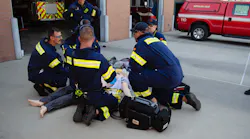
Pit Crew CPR assigns a specific role to members, as each of nine “positions” enter a scene. The premise is to have organized and rapid response to cardiac arrest incidents.
Philip Keating and Chris Kovatch provide a road map for how most any department can implement an evolved approach to cardiac arrest response.
Oct. 17, 2022
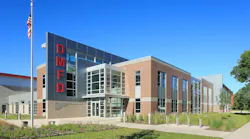
Being open to change—embracing resilient and flexible design—must be included in a decision as to whether to renovate or build new. Key aspects of the Des Moines, IA, Fire Department’s logistics and training center, including the apparatus and maintenance bays and training spaces, were designed to be easily altered for future growth and augmentation.
David Arends stresses the importance of listening, learning and building trust for the team that will be involved in the decision as to whether a station is renovated or replaced...
Oct. 17, 2022
Photos by Michael Daley
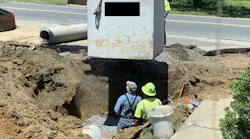
Target hazard areas for trench collapse include construction sites and utility work near roadways. There are plenty of significant issues here: lack of shoring, personnel in the unshored trench, overhead loads being lowered with personnel in the trench and an open roadway that’s a short distance away from the trench.
Michael Daley provides the definitive explanation for the work that's required of rescuers at the site of a trench collapse before they enter the trench.
Oct. 17, 2022